

Switching your dog to a raw diet sounds straightforward until you start researching it. Suddenly you’re buried in conflicting advice, worried about bacteria, unsure which proteins to start with, and second-guessing every meal. You’re not alone. Thousands of pet owners across North America want better nutrition for their dogs but feel paralyzed by the noise. This guide cuts through the confusion with a clear, evidence-backed plan that walks you through every stage of the transition, from understanding the real science to troubleshooting problems when they come up.
Table of Contents
- Understanding raw diet benefits and risks
- What you need to prepare: Starter checklist
- Step-by-step transition plan: 14-day schedule
- Troubleshooting: Common issues and expert tips
- Our holistic perspective on transitioning to raw diets
- Explore natural nutrition solutions from Wild Roots Pet Co.
- Frequently asked questions
Key Takeaways
| Point | Details |
|---|---|
| Gradual transition is safest | Moving to raw should be done slowly over 7-21 days with careful monitoring. |
| Start with lean proteins | Use boneless chicken or turkey as your base before introducing bones and organs. |
| Monitor, adjust, consult | Watch stool quality and energy, slow down if issues arise, and ask your vet if needed. |
| Evidence is mixed | While raw diets may help metabolism and weight, risks and unproven longevity gains remain. |
| Hygiene is critical | Proper food handling and cleanliness are vital to minimize contamination risks. |
Understanding raw diet benefits and risks
Before you change anything in your dog’s bowl, it’s worth knowing what the research actually says. Raw diets have genuine supporters in the pet nutrition world, but they also carry real risks that deserve honest attention.
On the benefits side, studies do show some meaningful differences between raw-fed and kibble-fed dogs. Dogs on raw diets show lower obesity prevalence, with body condition scores trending around 5 compared to 6 for dogs on commercial diets, along with lower glucose, cholesterol, and TyG index values. These are legitimate metabolic improvements worth noting. However, no study has yet demonstrated that raw diets extend a dog’s lifespan compared to high-quality commercial food.
On the risk side, the picture gets more complicated. Major veterinary organizations including the AVMA, WSAVA, and AAHA have discouraged raw feeding due to bacterial contamination rates ranging from 7% to 54% for Salmonella, plus Listeria risks, zoonotic transmission potential (meaning bacteria can pass from your dog to you), and nutritional imbalances found in many commercial and home-prepared raw diets.
Here’s a quick comparison to help you weigh both sides:
| Factor | Raw diet | Commercial kibble |
|---|---|---|
| Obesity prevalence | Lower (BCS median 5) | Higher (BCS median 6) |
| Metabolic markers | Improved glucose, cholesterol | Standard range |
| Bacterial contamination | High risk (Salmonella, Listeria) | Low risk |
| Nutritional completeness | Variable, often incomplete | Standardized, regulated |
| Lifespan benefit | Not proven | Not proven |
| Zoonotic transmission risk | Present | Minimal |
Key risks to keep in mind before you start:
- Bacterial contamination can affect both your dog and your household
- Nutritional imbalances are common in home-prepared raw diets without expert formulation
- Bone hazards are real if you introduce bone-in proteins too early or choose the wrong cuts
- Immunocompromised dogs (elderly, puppies, dogs on medication) face higher risks
“The decision to feed raw should be made with full awareness of both the potential metabolic benefits and the documented safety risks. Informed owners who monitor carefully and maintain strict hygiene are in the best position to manage those risks responsibly.”
Understanding this balance is the foundation. Raw feeding isn’t a magic fix, but it can be a meaningful upgrade for some dogs when done correctly.
What you need to prepare: Starter checklist
Knowing the risks and benefits, you need a practical plan before a single raw meal hits your dog’s bowl. Preparation isn’t optional here. It’s what separates a smooth transition from a stressful one.
The most important starting point is protein selection. Start with a single lean protein like chicken or turkey, boneless at first. After 4 to 7 days, once stools firm up, you can introduce bone-in options. Organ meats like liver should wait until the full transition is complete, making up roughly 5% of the diet. Rotating proteins comes later, once your dog’s digestive system has fully adjusted.
Here’s a practical breakdown of what to gather before day one:
| Category | What you need | Why it matters |
|---|---|---|
| Proteins | Boneless chicken or turkey (fresh or frozen) | Easiest to digest for new raw feeders |
| Storage | Airtight containers, freezer space | Prevents bacterial growth and cross-contamination |
| Feeding bowls | Stainless steel or ceramic only | Easier to sanitize than plastic |
| Hygiene supplies | Food-safe gloves, separate cutting boards | Reduces zoonotic contamination risk |
| Monitoring tools | Notebook or app for logging stools, energy, appetite | Tracks progress and flags problems early |
| Supplements (optional) | Fish oil, probiotics | Supports digestive adjustment |
Your essential preparation checklist:
- Source fresh, human-grade proteins from a reputable butcher or supplier
- Designate a separate prep area in your kitchen for raw meat
- Stock up on enzymatic cleaner for surfaces and bowls
- Have your vet’s contact information ready before you start
- Consider using a dog treat starter pack with single-ingredient training treats to reward calm behavior during the adjustment period
- Keep a beef dog food topper or fish food topper on hand to boost palatability during the early mixed-feeding phase
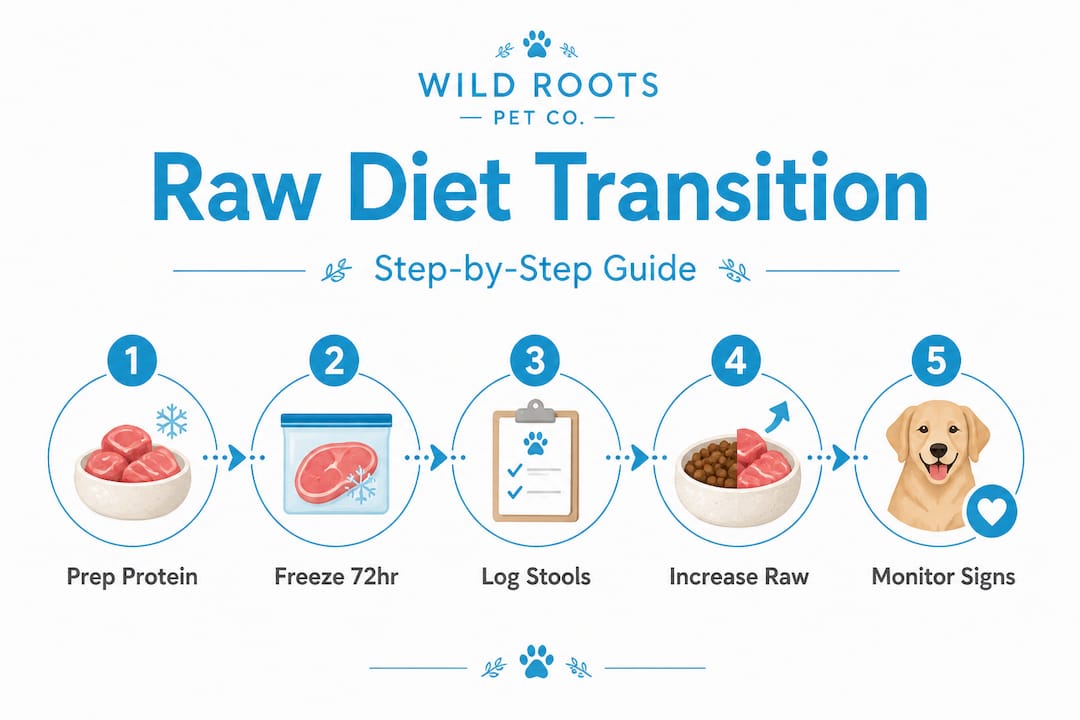
Pro Tip: Freeze raw proteins for at least 72 hours before serving. This doesn’t eliminate all pathogens, but it does reduce bacterial load and is a widely recommended safety step among experienced raw feeders.
Logging is genuinely underrated. A simple daily note about stool consistency (use a 1 to 7 scale where 1 is liquid and 7 is hard pellets), energy level, and appetite tells you far more than guessing. You’ll thank yourself in week two when you’re trying to figure out whether that loose stool was from the new protein or just a one-off.
Step-by-step transition plan: 14-day schedule
With preparation complete, it’s time to follow a proven, stepwise schedule that gives your dog’s digestive system the time it needs to adapt. Rushing this process is the number one mistake new raw feeders make.
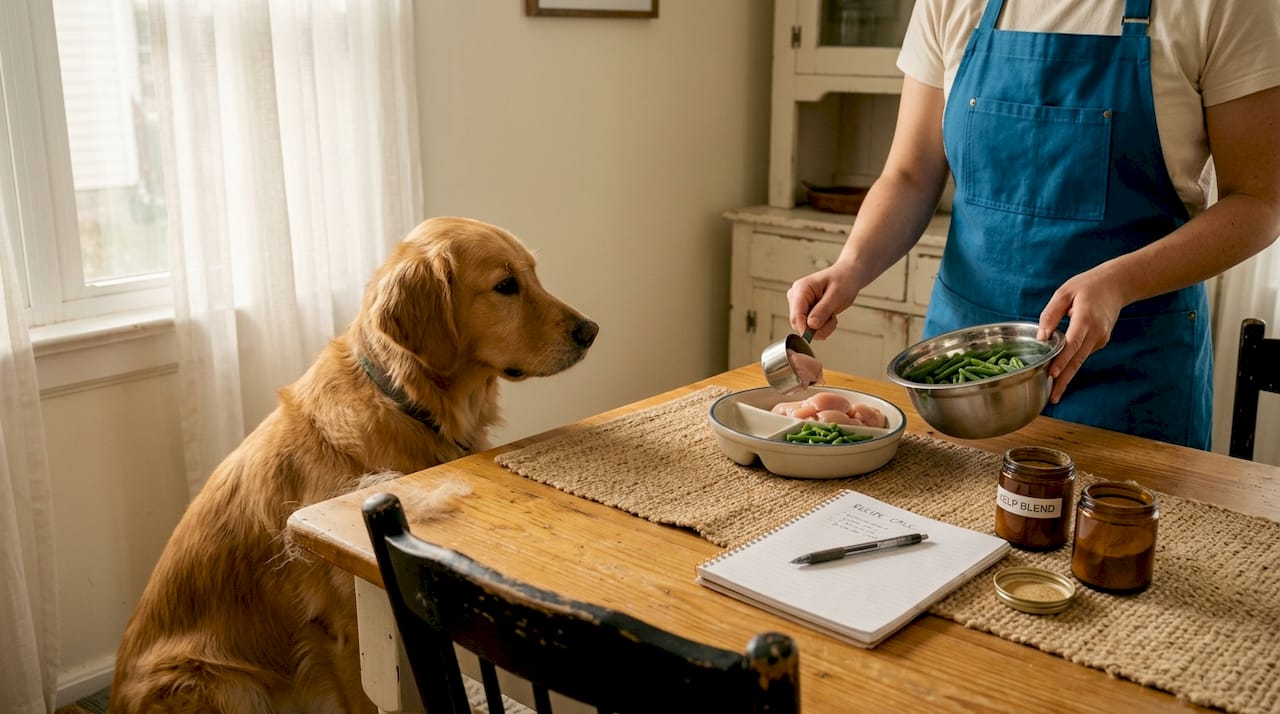
The standard methodology recommended by raw feeding experts is a gradual transition over 7 to 21 days, starting with 25% raw mixed with 75% of your dog’s current food, then increasing the raw portion incrementally while monitoring stool quality and appetite throughout.
Here’s a practical 14-day schedule that works well for most adult dogs:
- Days 1 to 3: 25% raw, 75% current food. Serve both in the same bowl. Watch for any immediate signs of digestive upset.
- Days 4 to 6: 50% raw, 50% current food. Stools should be firming up. If they’re still loose, stay at 25% for two more days before advancing.
- Days 7 to 9: 75% raw, 25% current food. Energy and coat changes often become noticeable around this point.
- Days 10 to 12: 100% raw, boneless protein only. This is the first fully raw phase. Monitor closely.
- Days 13 to 14: Introduce bone-in protein if stools have been consistently firm. Keep organ content at zero for now.
- After day 14: Begin adding liver at 5% of total diet. Introduce a second protein source over the following week.
You can use single-ingredient treats like turkey feast chips or beef chips treats between meals to maintain positive associations with the new feeding routine. If your dog is hesitant about the texture change, turkey and chicken chip treats can help bridge the gap with familiar poultry flavors.
Pro Tip: Serve raw food at room temperature rather than straight from the fridge. Cold food is harder for dogs to digest and can cause stomach cramping, especially in the early transition days.
“Slower is almost always better. A dog that takes 21 days to transition fully will have a much smoother experience than one rushed through in 5 days. The goal is a sustainable, long-term diet change, not a quick swap.”
Signs the transition is going well include smaller, firmer stools (raw-fed dogs produce significantly less waste because more of the food is bioavailable), a shinier coat within the first two weeks, and consistent energy levels. These are your green lights to keep moving forward.
Troubleshooting: Common issues and expert tips
Even when you follow the schedule carefully, issues can come up. Knowing how to respond quickly and correctly makes the difference between a temporary setback and a failed transition.
Common problems and what to do about them:
- Loose stools or diarrhea: Slow down. Drop back one phase in the schedule and hold there for three to four days before advancing again.
- Vomiting: A single episode isn’t cause for alarm, but two or more in 24 hours means you should pause the transition and consult your vet.
- Lethargy or loss of appetite: These can signal that the new diet is too rich or that something in the protein source isn’t agreeing with your dog. Revert to the previous phase.
- Constipation or white, chalky stools: Usually a sign of too much bone too soon. Cut back on bone-in proteins immediately.
- Refusal to eat: Some dogs are suspicious of new textures. Try lightly searing the surface of the meat to add familiar cooked aroma while keeping the interior raw.
Monitoring stools, energy, and coat is your primary feedback system throughout the transition. If persistent diarrhea, vomiting, or lethargy continues for more than 48 hours, slow the transition significantly or revert to commercial food and get your vet involved. Raw feeding can be a great fit for holistic nutrition, but the risks are real and should not be dismissed.
Safe handling practices matter as much as the diet itself. Veterinary associations warn specifically about zoonotic transmission risks from raw meat, particularly in households with young children, elderly family members, or immunocompromised individuals. Wash hands thoroughly after every raw meal prep. Sanitize bowls, surfaces, and utensils with hot water and soap, then follow with a food-safe disinfectant.
Pro Tip: Keep turkey chips for dogs on hand during the troubleshooting phase. If your dog refuses a raw meal, a few single-ingredient treats can maintain positive mealtime associations without introducing new proteins that might complicate your troubleshooting.
Signs that a raw diet may not be the right fit for your dog include chronic digestive instability lasting more than three weeks, significant weight loss, or recurring bacterial infections. Not every dog thrives on raw, and recognizing that early saves your dog from unnecessary stress.
Our holistic perspective on transitioning to raw diets
Here’s something the raw feeding community doesn’t always want to hear: raw isn’t universally better. It’s potentially better for some dogs, under some conditions, when managed very carefully. That nuance gets lost in the enthusiasm.
We’ve seen pet owners invest enormous effort into raw transitions only to discover their dog does equally well on a high-quality freeze-dried or minimally processed commercial diet. The metabolic benefits documented in research are real but modest. They don’t justify ignoring the contamination risks or the genuine challenge of formulating a nutritionally complete raw diet at home.
What actually matters most is personalized nutrition. Your dog’s age, breed, activity level, gut health history, and household circumstances all shape what the ideal diet looks like. A raw diet that transforms a healthy, active three-year-old Labrador may be completely wrong for a senior dog with kidney disease or a puppy with an undeveloped immune system.
True holistic care means staying flexible and evidence-driven. It means monitoring your dog’s actual response rather than following a trend because it feels more natural. It means being willing to adjust, pause, or change course when the data from your dog’s body tells you to. The beef snack pack treats in your training bag matter less than your willingness to pay close attention and respond to what you observe.
The most successful raw feeders we’ve seen aren’t the most enthusiastic ones. They’re the most methodical ones. They log, they adjust, they consult their vets, and they keep the dog’s actual wellbeing at the center of every decision.
Explore natural nutrition solutions from Wild Roots Pet Co.
Whether you’re mid-transition or just getting started, having the right products on hand makes the process significantly easier and more consistent.

At Wild Roots Pet Co., we stock a range of single-ingredient, natural treats and meal toppers designed specifically for health-conscious pet owners. Our fish dog food topper is a low-fat, omega-rich option that integrates seamlessly into any phase of a raw transition, supporting coat health and palatability. For training and travel during the adjustment period, our beef chips snack pack delivers clean protein with zero fillers. And our turkey chips for dogs offer a single-ingredient poultry option that pairs perfectly with the early phases of a raw protocol. Shop our full range at wildrootspet.com and find products that match your dog’s specific nutritional needs.
Frequently asked questions
How long does it take to transition a dog to a raw diet?
Most experts recommend a gradual 7 to 21 day transition, with incremental increases in raw food and consistent monitoring of stool and appetite throughout.
What proteins are best for starting a raw diet?
Start with boneless lean proteins like chicken or turkey, then introduce bone-in options after 4 to 7 days once stools are consistently firm.
What signs should I watch for during the transition?
Look for firmer, smaller stools and improved coat as positive indicators; if diarrhea or lethargy persist for more than 48 hours, slow the transition or consult your vet.
Is a raw diet proven to extend a dog’s lifespan?
Studies show metabolic benefits but not longevity superiority for raw diets over kibble, so lifespan claims in raw feeding circles remain unproven.
Are there safety risks to feeding raw?
Yes, veterinary associations warn about bacterial contamination, nutritional imbalances, and zoonotic transmission risks, making strict hygiene and vet monitoring essential throughout the process.
Recommended
- Puppy Packs 'n Snacks Dog Treat Starter Pack | Single-Ingredient Train – Wild Roots Pet Co.
- BetterBone SOFT Durability CHEW TOY: Natural Plant-Based Ingredients, – Wild Roots Pet Co.
- Turkey Feast Chips – Wild Roots Pet Co.
- Chicken Chips for Dogs | All-Natural Single-Ingredient Dog Treats – Wild Roots Pet Co.