

Finding the best natural chews for dogs sounds simple until you’re standing in the pet store aisle reading ingredient labels that raise more questions than they answer. Words like “natural” and “wholesome” are plastered on products that veterinarians actively warn against. The reality is that some of the most popular chews on the market carry real risks: fractured teeth, choking hazards, and digestive emergencies. This guide cuts through the marketing noise, walks you through exactly what to look for, and gives you a vetted list of chew options matched to your dog’s size, age, and chewing style.
Table of Contents
- Key takeaways
- How to evaluate the best natural chews for dogs
- 1. Bully sticks
- 2. Beef tendon chews
- 3. Elk and deer antlers
- 4. Yak cheese chews
- 5. Pig ears
- 6. Beef trachea chews
- 7. Sweet potato chews
- 8. Rawhide and smoked bones: what to avoid
- Comparing top natural chews at a glance
- Matching chews to your dog’s age and chewing style
- Safe chew use: tips that actually make a difference
- My take: what 15 years of watching this space has taught me
- Wildrootspet has the natural chews your dog deserves
- FAQ
Key takeaways
| Point | Details |
|---|---|
| “Natural” labels can mislead | Ingredient transparency matters far more than marketing claims when choosing safe chews. |
| Use the fingernail test | If you can’t dent a chew with your fingernail, it’s too hard and risks fracturing your dog’s teeth. |
| Match chew to your dog | Size, age, and chew intensity all determine which chew is safest and most satisfying. |
| Limit treat calories | Treats should make up no more than 10% of your dog’s daily calorie intake to avoid weight issues. |
| Single-ingredient wins | Chews with one identifiable ingredient are generally safer, more digestible, and easier to trust. |
How to evaluate the best natural chews for dogs
Before you buy anything, you need a framework. Not every chew marketed as natural is safe, and the difference between a beneficial chew and a vet visit can come down to a single factor you overlooked.
Hardness is the most critical variable. Veterinarians use what’s called the fingernail test: press your thumbnail firmly into the chew. If it doesn’t leave a dent, the chew is too hard. That’s not an opinion. That’s a clinical benchmark used to assess fracture risk. A chew that’s harder than your dog’s tooth enamel will eventually win that contest.
Digestibility matters just as much as hardness. A chew your dog can’t break down properly becomes a choking hazard or a gastrointestinal blockage. Look for chews with transparent single ingredients and no artificial binders, dyes, or preservatives. If you can’t identify every ingredient, that’s a red flag.
Dental benefits are real, but not automatic. Chewing naturally reduces plaque and stimulates gums, but the mechanical and enzymatic action that delivers those benefits only kicks in with the right texture. Too hard and you risk fractures. Too soft and there’s no abrasive benefit at all. The sweet spot is a chew that gives slightly under pressure but still requires sustained chewing effort.
Pro Tip: Always supervise your dog during the first few sessions with any new chew. Watch for aggressive swallowing, gulping large pieces, or signs of gagging. What works safely for one dog may not work for another.
Sizing is straightforward but often ignored. A chew meant for a 70-pound Labrador is a choking hazard for a 15-pound terrier. Match chew length and diameter to your dog’s head size, not just weight.
1. Bully sticks
Bully sticks are the gold standard recommendation for a reason. They’re made from a single ingredient (dried bull pizzle), fully digestible, and provide a long-lasting chew that cleans teeth through sustained gnawing. They don’t splinter, they soften as your dog chews, and they’re available in sizes from mini to jumbo.
The one legitimate downside is caloric density. A single bully stick can contain 80 to 130 calories depending on size, which eats into your dog’s daily allowance fast. Odor is also a real concern with some brands, so look for low-odor options if that matters in your household. Bully sticks are among the safest single-ingredient chews recommended by veterinarians for regular use.
2. Beef tendon chews
Beef tendons are an underrated pick that deserves more attention. They’re high in protein, low in fat, and provide a satisfying chew that most dogs work through slowly. The texture is tough enough to require real effort but soft enough to avoid fracture risk. The mechanical scraping action as your dog chews is genuinely effective at reducing tartar buildup along the gum line.
Tendons are also a great option for dogs with sensitivities to richer proteins since they’re leaner than most animal-based chews.
3. Elk and deer antlers
This is where the conversation gets complicated. Antlers are marketed heavily as natural, long-lasting, and nutritious. They are long-lasting. But 26% of dogs suffer fractured teeth from chews in this category. Antlers fail the fingernail test every single time. They are harder than tooth enamel.
That said, split antlers are a more reasonable option. The marrow is exposed, which gives dogs something to lick and gnaw at rather than bite down hard. If you’re set on antlers, go split rather than whole, choose a size appropriate to your dog, and supervise closely. You can find elk antler chews and deer antler options at Wildrootspet, with sizing guidance to help you choose the right fit.
4. Yak cheese chews
Yak milk chews originated in Nepal and have built a loyal following among dog owners looking for a long-lasting, natural option. They’re made from yak and cow milk, lime juice, and salt, then pressed and dried into a hard block. Dogs gnaw them down slowly, and when the chew gets too small, you can microwave the remnant piece to create a cheese puff they can safely eat.
The catch: yak chews are relatively hard and have contributed to dental fractures in power chewers. They’re better suited to moderate chewers than aggressive ones. Check hardness before giving one to a dog known for intense chewing.
5. Pig ears
Pig ears are extremely popular and genuinely enjoyed by most dogs. They’re softer than antlers, fully digestible, and provide a satisfying chew experience. The fat content is the main concern: pig ears are rich, and too many can cause gastrointestinal upset or contribute to weight gain. They’re a treat, not a daily staple.
There’s also a hygiene factor. Some pig ears have been subject to contamination recalls in the past. Buy from reputable suppliers with clear sourcing and processing standards.
6. Beef trachea chews
Beef trachea is a cartilage-based chew that’s naturally rich in glucosamine and chondroitin, which supports joint health alongside dental benefits. The texture is crispy enough to clean teeth but soft enough to avoid fracture risk. It’s a particularly smart pick for older dogs who need both dental care and joint support.
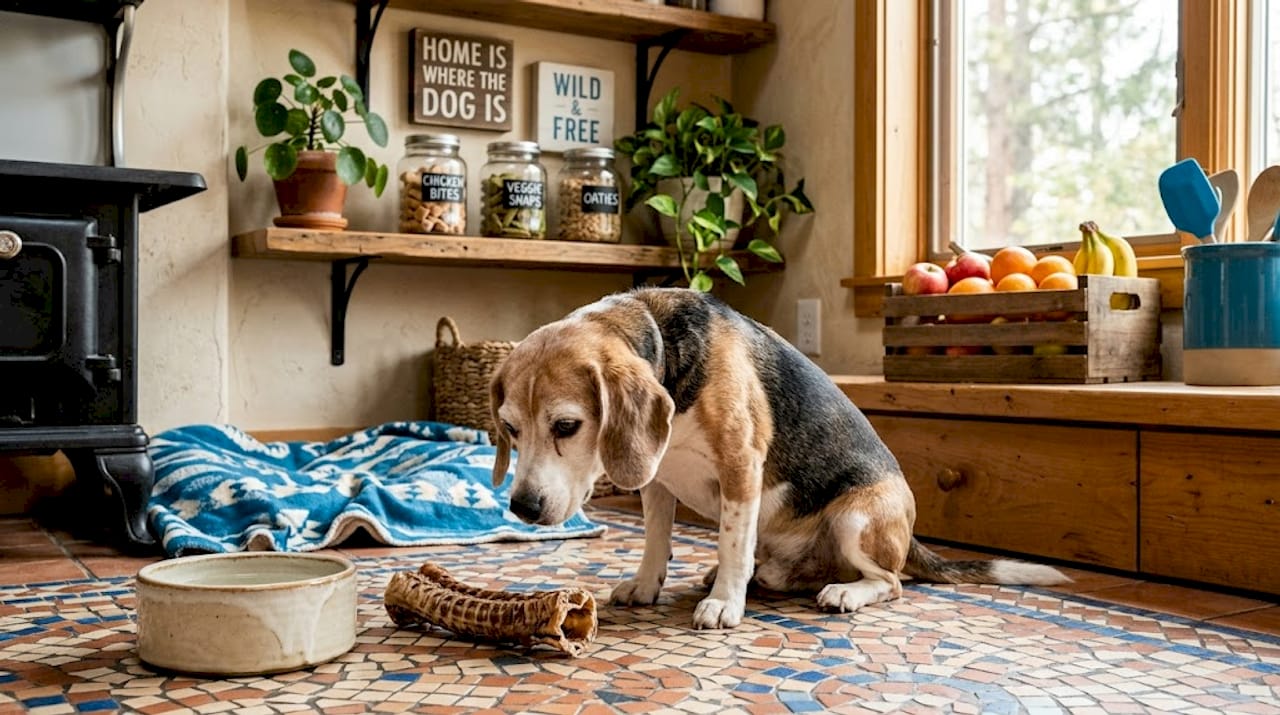
The hollow tube shape makes it easy for dogs to gnaw from multiple angles, extending the chew session and maximizing the plaque-scraping benefit.
7. Sweet potato chews
For dogs with protein allergies or sensitivities, sweet potato chews are one of the few genuinely hypoallergenic options. They’re made from dehydrated sweet potato slices, nothing else. They’re not going to satisfy a power chewer for long, but they’re excellent for small breeds, seniors, and dogs on elimination diets.
The natural sugars in sweet potato mean these shouldn’t be given in large quantities, but as an occasional healthy dog treat, they’re hard to beat for safety and simplicity.
8. Rawhide and smoked bones: what to avoid
It’s worth addressing what not to buy. Rawhide is one of the most widely sold chews in North America, yet rawhide and smoked bones regularly land dogs in surgery. Rawhide can swell in the digestive tract, causing blockages. Smoked bones are another serious hazard. The smoking process strips flexibility from the bone, making them brittle and prone to shattering into shards that can puncture the esophagus or intestines.
Neither of these products passes a basic safety standard, regardless of what the label says.
Comparing top natural chews at a glance
| Chew type | Durability | Fracture risk | Digestibility | Best for |
|---|---|---|---|---|
| Bully stick | Medium | Very low | High | Most dogs, all ages |
| Beef tendon | Medium | Very low | High | Sensitive stomachs |
| Elk antler (split) | Very high | Medium-high | Low | Supervised power chewers |
| Yak cheese chew | High | Medium | Medium | Moderate chewers |
| Pig ear | Low | Very low | High | Small to medium dogs |
| Beef trachea | Medium | Very low | High | Seniors, joint support |
| Sweet potato | Low | Very low | High | Puppies, allergy dogs |
Matching chews to your dog’s age and chewing style
A chew that’s perfect for a two-year-old Pit Bull is wrong for an eight-year-old Beagle. Matching chew type to your dog’s specific profile keeps sessions safe and enjoyable.
Puppies need softer chews that won’t damage developing teeth. Puppy-safe options include bully sticks sized for small mouths, soft sweet potato chews, and plant-based chew toys designed for teething relief. Avoid anything hard until adult teeth are fully set, usually by seven months.
Senior dogs often have existing dental wear or sensitivity. Beef trachea, bully sticks, and pig ears are all gentle enough to keep them chewing comfortably without compounding existing dental issues. Soft textures are better than hard ones across the board for older dogs.
Power chewers are the trickiest group. They need durability but face the highest fracture risk from hard options. Split antlers supervised closely, thick bully sticks, and ultra-durable nylon chew toys are reasonable choices. Nylon chews don’t replace natural chews nutritionally, but they’re a safe outlet for intense chewing urges between natural chew sessions.
Anxious dogs benefit from longer-lasting chews that give them a sustained, calming activity. Bully sticks and beef tendons are ideal here because they require effort over time rather than being consumed quickly.
Pro Tip: For multi-dog households, always separate dogs during chew time. Resource guarding over a chew is one of the most common triggers for dog-on-dog aggression, even in dogs that otherwise get along perfectly.
Safe chew use: tips that actually make a difference
Getting the right chew is only half the equation. How you use it determines whether it stays a benefit or becomes a problem.
- Introduce new chews gradually. Give a new chew for 10 to 15 minutes on the first day and watch for soft stool or vomiting over the next 24 hours before making it a regular item.
- Stick to the 10% rule. Treats should not exceed 10% of your dog’s total daily calories. Chews count.
- Avoid additives completely. Skip anything with artificial smoke flavoring, xylitol, added salt, or chemical preservatives. These add risk with no benefit.
- Supervise every session. Remove the chew when it gets small enough to swallow whole. That threshold varies by dog size but a piece smaller than the width of your dog’s muzzle is too small.
- Store chews properly. Keep natural chews in a cool, dry place or refrigerate them. Mold and bacterial growth are real concerns with animal-based products once opened.
The premium natural chews market is growing 2 to 3 times faster than mainstream chew options, driven largely by owners demanding transparency and safety from what they give their dogs.
My take: what 15 years of watching this space has taught me
I’ve seen dogs come in with cracked slab fractures from antlers their owners bought because they looked wholesome and “natural.” I’ve also watched owners dismiss bully sticks because they didn’t sound impressive enough, only to keep reaching for the risky options.
Here’s what I’ve learned: the word “natural” on a pet product means almost nothing without context. It’s a marketing tool. What actually matters is a short, identifiable ingredient list, sourcing you can trace, and a texture that passes the fingernail test.
The dental fracture cases that stay with me weren’t from dogs chewing on obvious hazards. They were from dogs given yak chews and whole antlers by owners who did their research and thought they were doing the right thing. The research pool on chew safety is better now, and the honest answer is that most dogs do perfectly well with bully sticks, tendons, and trachea, chews that aren’t flashy but are genuinely safe.
I’d also push back on the idea that a chew needs to last forever to be worth the money. A bully stick consumed in 20 minutes still cleaned your dog’s teeth, occupied their mind, and gave them something satisfying. That’s the job. Consistent natural chew use as part of a daily dental routine is one of the most practical things you can do for your dog’s long-term health. Don’t overthink the duration.
— Blayne
Wildrootspet has the natural chews your dog deserves
If you’ve been looking for a source that actually takes ingredient transparency seriously, Wildrootspet is worth your time. Their catalog prioritizes single-ingredient, traceable natural chews alongside single-ingredient turkey treats and other healthy dog treats built around real nutrition rather than filler.

Whether you’re shopping for a power chewer, a senior dog, or a puppy working through teething, the Wildrootspet selection covers the full range without compromising on quality. Their holistic pet wellness toolkit also gives you the educational foundation to make better decisions across every aspect of your dog’s diet and care. Browse the full chew and treat catalog at wildrootspet.com and find options your dog will actually look forward to.
FAQ
What makes a chew “natural” for dogs?
A truly natural pet chew contains identifiable animal or plant-based ingredients with no artificial additives, preservatives, or chemical processing. Ingredient transparency is a better indicator of quality than the word “natural” on the label.
Are antlers safe for dogs?
Whole antlers carry a significant fracture risk since 26% of dental fractures in dogs are linked to hard chews like antlers. Split antlers with exposed marrow are a safer option when used under supervision.
How often can I give my dog a natural chew?
Most dogs can enjoy a natural chew daily as long as total treat calories stay under 10% of their daily intake. Rotate chew types to avoid overexposure to any single protein source.
What are the safest chews for dogs with allergies?
Sweet potato chews are one of the safest options for dogs with food sensitivities since they’re single-ingredient and plant-based. Beef trachea is also a good choice for dogs with chicken or pork allergies.
Should I supervise my dog while they chew?
Yes, always. Remove the chew once it becomes small enough to swallow whole, and monitor for signs of gulping or gagging during the first few sessions with any new chew type.
Recommended
- How to safely use natural dog chews for healthy pets – Wild Roots Pet Co.
- Types of dog chews: Choosing safe, healthy options for every pup – Wild Roots Pet Co.
- Elk Antler Dog Chews | All-Natural Whole and Split Elk Antler Chews fo – Wild Roots Pet Co.
- Deer Antler Dog Chews | Organic Chews for Dogs – Wild Roots Pet Co.