

Walk down any pet store aisle and you’ll find treat bags covered in words like “wholesome,” “premium,” “all-natural,” and “vet-recommended.” The problem? Most of those claims are marketing, not science. Choosing genuinely healthy treats for your dog or cat takes more than trusting a label. It requires knowing which ingredients actually support your pet’s health, which ones to avoid outright, and how treats fit into the bigger picture of daily nutrition. This guide cuts through the noise with expert-backed criteria, a curated list of the best natural options, and practical advice for pets with special health needs.
Table of Contents
- How to evaluate healthy pet treats
- Top veterinarian-approved healthy pet treats
- Comparison: Natural vs. commercial pet treats
- Choosing the best treats for special health needs
- What most pet treat guides miss: Treats are never a substitute for balanced nutrition
- Explore healthy treat solutions from Wild Roots Pet Co.
- Frequently asked questions
Key Takeaways
| Point | Details |
|---|---|
| Screen treat ingredients | Choose treats with simple, natural ingredients and avoid harmful additives. |
| Keep treats occasional | Treats should only make up a small, capped portion of your pet’s daily calories. |
| Adjust treats for health needs | Select softer, allergy-friendly, or limited-ingredient treats for pets with special conditions. |
| Balanced diets come first | Even the healthiest treat is not a substitute for a nutrition-focused main diet. |
How to evaluate healthy pet treats
The treat aisle is built on impulse buying. Bright packaging, cute mascots, and vague health claims are designed to sell, not to inform. To make smarter choices, you need a clear set of criteria you can apply to every bag, pouch, or box you pick up.
Treats are not meals. This is the most important thing to understand before anything else. AAFCO treats are classified as “occasional” foods meant for enjoyment and training, not as complete nutrition. They don’t need to meet the same nutritional standards as your pet’s main food, which means they can vary wildly in quality.
What to look for on the ingredient label
Reading a treat label takes about 60 seconds and can save your pet from a lot of unnecessary junk. Here’s what to screen for:
- First ingredient should be a named protein. “Chicken,” “salmon,” or “beef” is good. “Meat by-products” or “animal digest” is not.
- Short ingredient lists are better. The fewer ingredients, the less room for fillers, artificial preservatives, or mystery additives.
- Avoid xylitol at all costs. This artificial sweetener is toxic to dogs and can cause rapid drops in blood sugar or liver failure. It hides in peanut butter-flavored treats and some “low-calorie” options.
- Skip artificial colors, flavors, and preservatives. Ingredients like BHA, BHT, and ethoxyquin have no nutritional value and are linked to health concerns in long-term studies.
- Watch for excess sugars and fillers. Corn syrup, white flour, and unnamed “grain products” add empty calories and can contribute to obesity and digestive issues.
For pets with specific conditions, the criteria get more targeted. Dental disease, allergies, and sensitivities all require tailored treat choices. A senior dog with bad teeth needs soft treats, not crunchy biscuits. A cat with a chicken allergy needs a novel protein like duck or rabbit.
The 10% rule
Treats should account for no more than 10% of your pet’s daily caloric intake. For a 20-pound dog eating around 600 calories a day, that’s just 60 treat calories. It sounds like a little, but it adds up fast if you’re handing out treats throughout the day. Understanding natural pet diet ingredients helps you see how treats fit into the full nutritional picture without tipping the balance.
Pro Tip: Rotate treat textures throughout the week. Crunchy treats can help scrape plaque from teeth, while soft treats are easier to break into small training pieces. If your pet has dental disease, skip the hard crunchy options entirely and stick to soft, pliable treats that won’t cause pain or cracking.
Top veterinarian-approved healthy pet treats
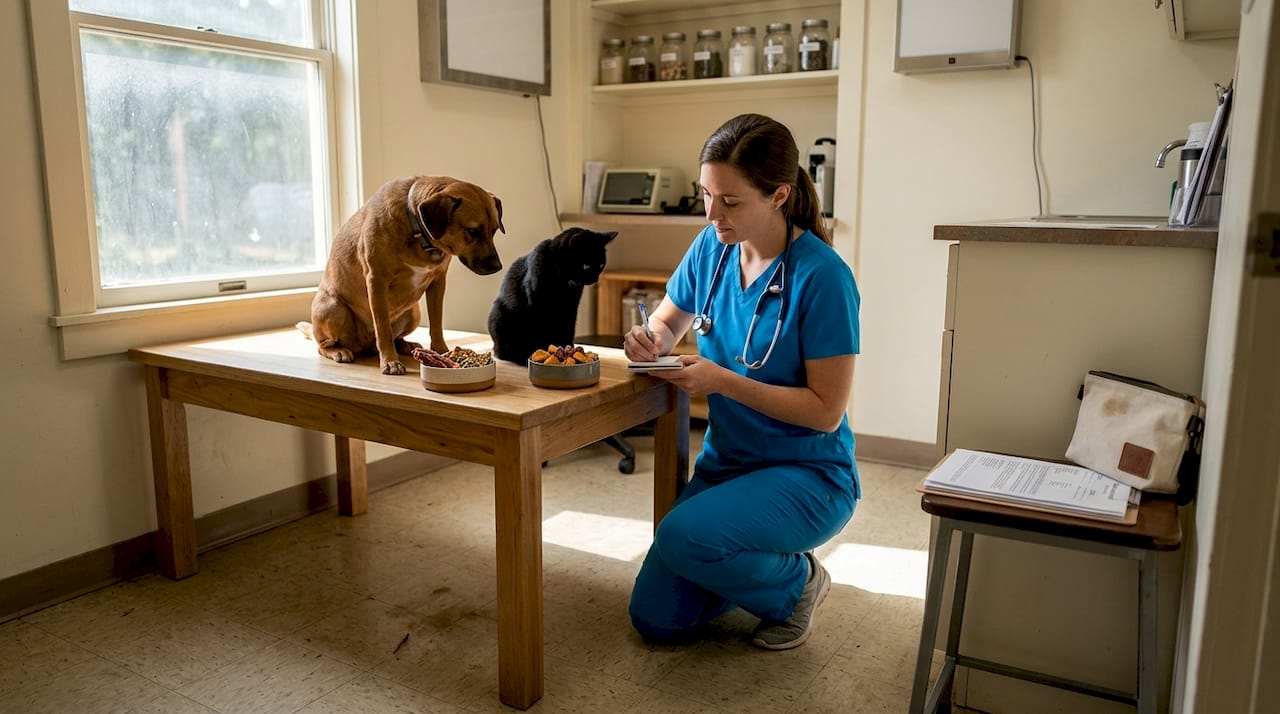
Now that you know what to look for, here are the top evidence-backed treat options that experts recommend for both dogs and cats. These fall into two categories: things you can prepare at home and high-quality commercial options worth buying.
Best homemade and whole-food treats
Vet-recommended treats often include simple, whole-food options you probably already have in your kitchen. These are some of the safest and most nutritious choices:
- Cooked lean meats (chicken, turkey, beef): High in protein, low in fat when trimmed, and naturally appealing to both dogs and cats. Always serve plain, no seasoning, no onion or garlic.
- Cooked eggs: A complete protein source packed with amino acids and healthy fats. Scrambled or hard-boiled, no salt or butter.
- Unsweetened pumpkin: Rich in fiber and great for digestive health. A teaspoon or two for cats, a tablespoon for dogs. Use plain canned pumpkin, not pie filling.
- Carrot slices: Low-calorie, crunchy, and dogs love them. The chewing action also helps with mild plaque buildup.
- Blueberries: Packed with antioxidants and safe for both dogs and cats in small amounts. Serve fresh or frozen.
- Xylitol-free peanut butter: A classic dog favorite. Always check the label, because many brands now use xylitol as a sweetener. Look for peanut butter with just one ingredient: peanuts.
Best commercial treat options
When convenience matters, high-quality commercial treats are the way to go. The key is knowing which ones actually hold up to scrutiny. Look for:
- Freeze-dried single-ingredient meats: These preserve the nutritional profile of raw meat without requiring refrigeration. Single-ingredient chicken treats are an excellent option for cats, offering pure protein with zero fillers.
- Single-ingredient jerkies: Dehydrated or air-dried meats with nothing added. Turkey chips for dogs are a great example of a treat that does exactly what it says on the bag.
- Training treat bundles: Soft, small, and easy to portion. Fish chips for training offer a novel protein source that’s ideal for dogs with common poultry sensitivities.
- Limited-ingredient allergy treats: Formulated specifically for pets with food sensitivities, these typically feature one protein and one carbohydrate source.
Pro Tip: Rotate between novel protein sources like duck, turkey, rabbit, and fish. Feeding the same protein repeatedly over months or years can actually trigger a food sensitivity in some pets. Variety keeps your pet’s immune system from overreacting to any single ingredient.
A note on statistics: Studies suggest that obesity affects over 50% of dogs and cats in the United States, and excess treat calories are a significant contributing factor. Choosing nutrient-dense, low-calorie treats is one of the most practical steps you can take to protect your pet’s long-term health.
Comparison: Natural vs. commercial pet treats
Both homemade and commercial treats have real advantages. The right choice depends on your lifestyle, your pet’s health needs, and how much time you’re willing to invest in preparation.
| Factor | Homemade/natural treats | High-quality commercial treats |
|---|---|---|
| Ingredient control | Maximum, you choose everything | High, if you read labels carefully |
| Convenience | Low, requires prep and storage | High, ready to use |
| Shelf life | Short, usually 3 to 5 days refrigerated | Long, weeks to months |
| Allergy management | Excellent, easy to isolate proteins | Good, if limited-ingredient formulas are used |
| Portion consistency | Variable, depends on how you cut/measure | Consistent, pre-portioned |
| Recall risk | None | Possible, though rare with reputable brands |
| Cost | Low to moderate | Moderate to high for premium options |
| Suitability for dental health | Depends on texture chosen | Varies by product |
One thing that catches a lot of pet owners off guard: the word “natural” on a commercial treat label doesn’t automatically mean the treat is healthy. Natural labeling does not replace the need for ingredient and calorie screening, and treats are never meal substitutes regardless of how they’re labeled.
A treat made from “natural” ingredients can still be high in calories, loaded with unnecessary fillers, or contain allergens your pet reacts to. Always read the full ingredient list and check the calorie count per treat, not just per bag.
- Look for calorie counts listed per treat, not just per 100g
- Compare protein percentage across similar products
- Check for added vitamins and minerals only if they’re actually needed for your pet’s condition
- Avoid anything with a long list of “natural flavors” without specifying the source
Understanding how to evaluate natural treat ingredients gives you a real advantage when you’re standing in the store trying to make a fast decision.
Choosing the best treats for special health needs
For many pets, the healthiest treat depends not just on ingredients but also on their unique health history and current conditions. A treat that’s perfect for a healthy two-year-old Lab might be completely wrong for a senior cat with kidney disease.
Matching treat type to health condition
Pets with dental disease need softer treats that won’t crack teeth or cause pain, while pets with food allergies require single-ingredient treats to avoid triggering a reaction. Here’s a practical breakdown:
| Health condition | Ideal treat type | What to avoid |
|---|---|---|
| Food allergies | Single-ingredient, novel protein | Multi-ingredient treats, common proteins (chicken, beef) |
| Dental disease | Soft, pliable treats | Hard biscuits, antlers, rawhide |
| GI sensitivity | Easily digestible proteins, no fat | Rawhide, high-fat treats, dairy-based treats |
| Obesity | Low-calorie vegetables, small portions | High-fat meats, calorie-dense biscuits |
| Senior pets | Soft, moist, easy to chew | Hard or chewy treats that strain jaw joints |
| Kidney disease | Low phosphorus, low protein | High-protein treats, organ meats |
For pets with food sensitivities, a daily wellness formula designed specifically for dogs and cats with pork or beef allergies can support their overall health while you manage their treat intake carefully.
Warning signs your pet needs a treat change
Watch for these signals that your current treats may not be the right fit:
- Loose stools or vomiting after treat time
- Excessive scratching, ear infections, or skin redness
- Reluctance to eat treats (could indicate dental pain)
- Weight gain despite controlled meal portions
- Lethargy or behavioral changes after treat consumption
The most serious risk to watch for is xylitol exposure. Even a small amount can cause life-threatening hypoglycemia (low blood sugar) in dogs. If you suspect your dog has eaten anything containing xylitol, contact your vet or an emergency animal poison control line immediately.
What most pet treat guides miss: Treats are never a substitute for balanced nutrition
Here’s the uncomfortable truth that most “best treats” lists skip entirely: no treat, no matter how premium or organic or single-ingredient, can fix a poor diet. And yet, the way some treat brands market their products, you’d think a bag of freeze-dried liver could transform your pet’s health on its own.
It can’t. Treats are not intended to be a complete feed or supplement. They don’t have to meet the nutritional standards required of your pet’s main food. That means if your dog’s primary diet is missing key fatty acids, vitamins, or minerals, no amount of high-quality treats will close that gap.
We see this pattern constantly in the holistic pet care community. Pet owners spend significant money on premium treats while feeding a low-quality kibble as the main meal. The treats become a feel-good purchase that masks the real nutritional problem. The result is a pet who gets exciting, high-quality snacks but still lives on a nutritionally incomplete foundation.
The real secret to pet wellness is boring: get the main diet right first. Choose a complete, balanced food that meets AAFCO nutritional standards for your pet’s life stage. Then, and only then, do treats become a meaningful addition rather than a distraction. Treats should be controlled, occasional rewards that add enjoyment to your pet’s life, not a nutritional strategy.
We’re not saying treats don’t matter. They absolutely do. The right treat can support training, strengthen your bond with your pet, and even provide some functional benefits like dental support or joint-friendly proteins. But treats work best when they complement a solid nutritional foundation, not when they’re expected to carry the weight of an otherwise poor diet.
Explore healthy treat solutions from Wild Roots Pet Co.
To help you put these principles to use, Wild Roots Pet Co. offers a curated line of treats built around the exact criteria covered in this guide: real proteins, zero artificial additives, and no unnecessary fillers.

Whether you’re looking for training and travel beef chips for on-the-go reward sessions or single-ingredient chicken treats for your cat’s daily snack, every product is formulated with your pet’s whole health in mind. And if you want to go deeper into holistic pet nutrition beyond treats, the Whole Pet Wellness Academy gives you the full toolkit to build a complete, evidence-based care plan for your dog or cat.
Frequently asked questions
How many treats can I safely give my dog or cat each day?
Treats should make up no more than 10% of your pet’s daily calories to prevent unhealthy weight gain, which means calorie-capping treats is essential regardless of how healthy the treat itself is.
What ingredients should I always avoid in pet treats?
Avoid xylitol, chocolate, grapes, raisins, artificial colors, excessive sugars, and filler grains, as these ingredients offer no nutritional value and several are outright toxic to dogs and cats.
Are freeze-dried meat treats safe and healthy for cats and dogs?
Yes, freeze-dried single-ingredient meat treats are among the safest options available, but you should always screen for hidden additives since some brands add preservatives or flavorings that undermine the quality.
Can treats replace part of my pet’s regular diet if they’re labeled natural or organic?
No. Even treats labeled “natural” or “organic” are not intended as complete nutrition and cannot replace a balanced, complete diet that meets your pet’s daily nutritional requirements.
Recommended
- Natural ingredients for pet diets: healthier choices – Wild Roots Pet Co.
- Turkey Chips for Dogs | All-Natural Single-Ingredient Healthy Dog Trea – Wild Roots Pet Co.
- Beef Crumbles Cat Treats | High Protein Treats for Cats – Wild Roots Pet Co.
- Fish Chips Snack Pack Bundles | Dog Treats for Training & Travel – Wild Roots Pet Co.