

If you’ve ever flipped over a dog treat bag and counted fifteen ingredients you can’t pronounce, you already understand why single ingredient treats are worth your attention. Put simply, a single ingredient treat is exactly what it sounds like: one whole food source, nothing added, nothing hidden. But that simplicity is exactly where most pet owners get tripped up. Just because a treat says “natural” on the front doesn’t mean it’s clean on the back. Understanding what single ingredient treats actually are, and what they aren’t, is one of the most useful things you can do for your pet’s long-term health.
Table of Contents
- Key takeaways
- What are single ingredient treats: types and examples
- Health benefits of single ingredient treats
- Risks and safety checks you need to know
- How to choose high-quality single ingredient treats
- Using single ingredient treats in daily routines
- My honest take on keeping it simple
- Try these clean treats from Wildrootspet
- FAQ
Key takeaways
| Point | Details |
|---|---|
| One ingredient only | True single ingredient treats contain just one whole food, like chicken, salmon, or sweet potato. |
| Not all “natural” means simple | Many treats labeled natural still contain additives, fillers, and preservatives. |
| Portion control still matters | Even clean treats should stay within 10% of daily calories to avoid overfeeding. |
| Species matters when choosing | Dogs and cats have different nutritional needs, so the best single ingredient treats vary by animal. |
| Quality goes beyond the count | Sourcing, processing, and contamination controls define a truly high-quality single ingredient treat. |
What are single ingredient treats: types and examples
A single ingredient treat is any snack made from one whole food source with no additives, preservatives, flavor enhancers, or fillers. The ingredient list is the food itself. That’s it.
These treats come in several forms, and the variety is genuinely impressive once you start exploring them. Here’s how they break down:
Protein-based options are the most popular category for both dogs and cats:
- Freeze-dried chicken breast or chicken liver
- Beef muscle meat or beef heart, dehydrated into jerky or chips
- Lamb lung, a high-protein chew that most dogs find irresistible
- Fish-based options like salmon skins or cod skins
- Shrimp, sardines, and minnows for cats and small dogs
Fruit and vegetable options work particularly well for dogs:
- Dehydrated sweet potato slices
- Dried carrot coins
- Freeze-dried apple pieces or blueberries
- Dehydrated green beans
Forms you’ll find on the market include chips, jerky strips, freeze-dried nuggets, dehydrated slices, and raw chews. Each form offers a slightly different texture and chewing experience, which matters more than most owners realize. A freeze-dried treat crumbles easily and works well as a training reward. A dense chew requires supervision and is better suited to enrichment time.
When it comes to dogs versus cats, the differences are meaningful. Cats are obligate carnivores, meaning they require animal protein to survive. Single ingredient cat treats lean heavily on chicken, turkey, tuna, and salmon. Dogs are more flexible omnivores, which is why they can enjoy single ingredient treats across proteins, vegetables, and fruit. Wildrootspet carries chicken cat treats specifically designed for feline nutritional needs, which is a good example of how species-specific formulation matters even in the simplest treat format.
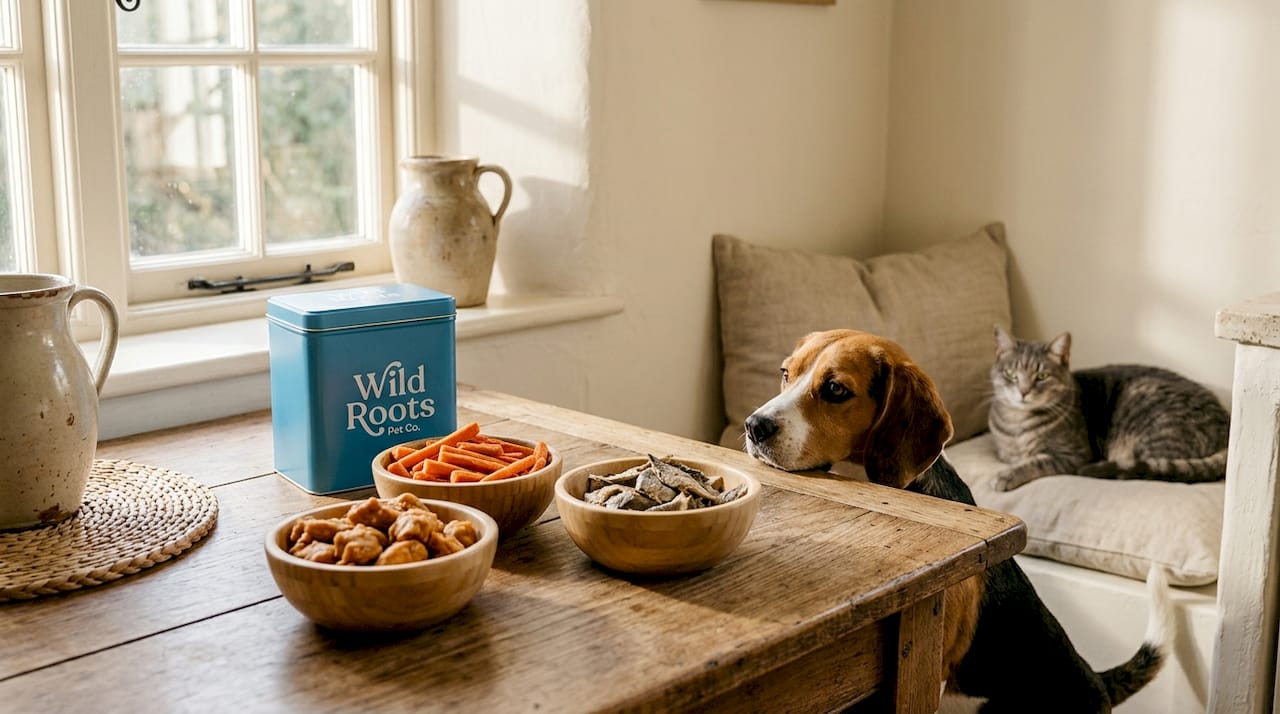
Pro Tip: When picking between forms, match the texture to the purpose. Crumbly freeze-dried treats for training sessions, longer chews for calm enrichment time at home.
Health benefits of single ingredient treats
This is where single ingredient treats genuinely separate themselves from processed snacks. The benefits aren’t just marketing. They’re practical and nutritional.
The most obvious advantage is what’s missing. No artificial colors. No synthetic preservatives. No added sugar. No meat by-products or mystery fillers. For a pet with food sensitivities or allergies, that absence is everything. Ingredient transparency makes it significantly easier to identify allergens and avoid reactions, which can range from skin inflammation and hot spots to chronic digestive upset.
Beyond allergy management, there are real nutritional upsides:
- Natural protein supports muscle maintenance, energy levels, and organ health
- Fish-based treats like cod skin deliver Omega-3 fatty acids that benefit coat shine, joint flexibility, skin health, and cognitive function
- Vegetables like sweet potato provide fiber that supports healthy digestion
- Freeze-dried proteins retain more of their original nutritional value compared to heavily cooked or extruded treats
“Single-ingredient treats allow owners to feed with confidence because they know exactly what their pet is eating, with no guesswork about hidden allergens or synthetic additives.”
That confidence is underrated. When your pet has a reaction, narrowing down the cause in a five-ingredient treat is possible. In a thirty-ingredient treat, it’s nearly impossible.
For a deeper look at how natural treats compare to processed options across both dogs and cats, the natural treats guide from Wildrootspet covers the topic thoroughly.
Risks and safety checks you need to know
Single ingredient treats are not automatically risk-free. That’s the part most enthusiastic pet owners skip, and it leads to real problems.
Here are the most important safety considerations, in order of priority:
-
Watch the calorie load. Treats should not exceed 10% of your pet’s daily caloric intake. For a 20-pound dog eating around 400 to 450 calories per day, that means no more than 40 to 45 treat calories total. It sounds generous until you realize a single beef chip can run 15 to 25 calories.
-
Check firmness before giving chews. Vets recommend a simple test: press your thumbnail firmly into the chew. If you can’t make a dent, the chew is too hard and carries real risk of cracking a tooth. This applies to natural single ingredient chews like bully sticks, antlers, and dried tendons.
-
Supervise every chewing session. Dense chews carry mechanical risks even when they pass the dent test. Dogs can break off large pieces and choke, or swallow chunks too large to pass safely. Never leave a dog unattended with a long-format chew.
-
Avoid xylitol at all costs. Xylitol causes rapid hypoglycemia and liver failure in dogs even in tiny amounts. It’s more commonly found in multi-ingredient treats, but it pays to stay vigilant and read every label.
-
Know your species. Some human foods that work as single ingredient treats for dogs are toxic to cats. Grapes and raisins are dangerous for dogs. Onion and garlic powder can appear in flavored jerky products. Always confirm a food is species-safe before treating.
Pro Tip: Keep a small kitchen scale near your treat jar and weigh out your pet’s daily treat allowance in the morning. Pre-portioning prevents accidental overfeeding, especially on high-training days.
How to choose high-quality single ingredient treats
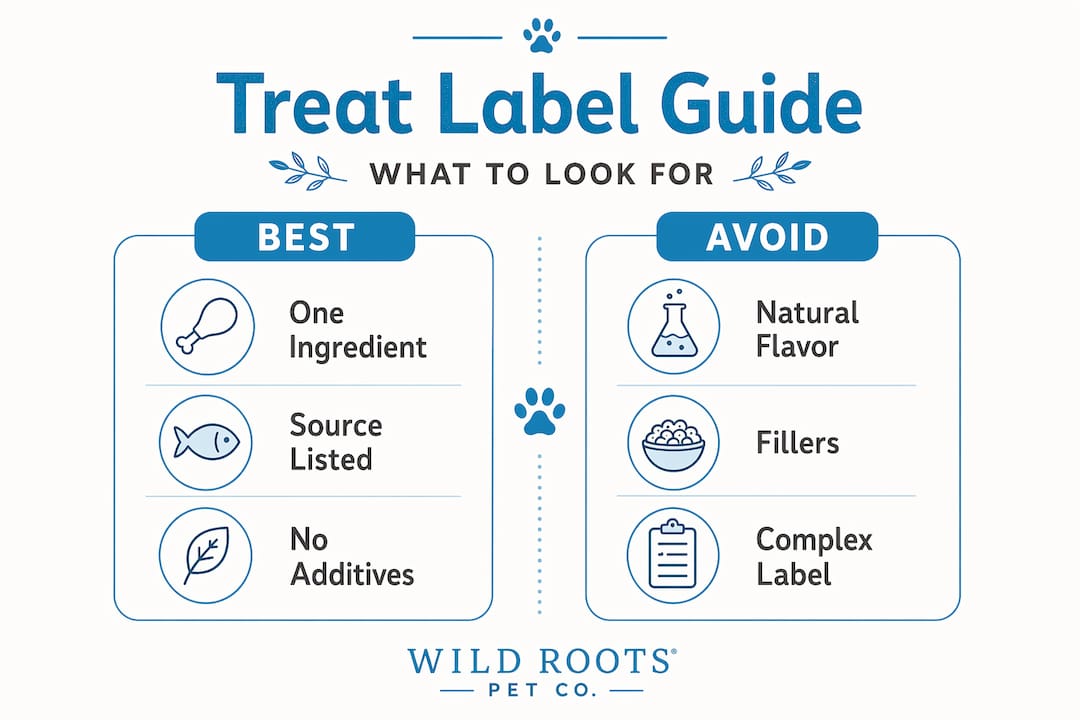
Here’s a hard truth: not every product labeled as a single ingredient treat actually meets that standard. Some sneak in natural flavoring, broth, or coating ingredients that technically make it a multi-ingredient product. And beyond the ingredient count, sourcing origin and processing hygiene determine whether a treat is genuinely safe or just marketed that way.
Use this comparison when evaluating your options:
| What to look for | What to avoid |
|---|---|
| One ingredient on the label, nothing else | “Natural flavor” listed as an added ingredient |
| Country of origin clearly stated | Vague sourcing like “product of various countries” |
| USDA-inspected or human-grade sourcing | No quality certifications mentioned |
| Transparent processing method (freeze-dried, dehydrated) | Heavily processed with no method disclosed |
| No coating, glaze, or seasoning | Broth added for flavor |
Treats with complex labels often hide ingredients that have no nutritional benefit for your pet. Vets consistently recommend focusing on treats you can identify at a glance. If you can’t picture the actual food item from reading the label, that’s a red flag.
Making your own is also a legitimate option. Dehydrating thin-sliced chicken breast at home, for example, produces a genuine single ingredient treat with full sourcing control. Wildrootspet’s homemade treat guide walks through safe preparation and storage practices if you want to go that route.
Pro Tip: Look for brands that publish their sourcing and manufacturing details publicly, not just on request. Transparency upfront is the clearest signal of a trustworthy product.
For additional guidance on choosing between treat types, healthy pet tips from Faroo Pets offer a practical breakdown worth reading alongside your label research.
Using single ingredient treats in daily routines
Knowing what a great treat is only matters if you’re actually using it well. Here’s how to work single ingredient treats into your pet’s life in ways that support both behavior and health:
-
Training rewards: Low-calorie options like freeze-dried chicken or small carrot pieces work perfectly for repetition-heavy training. You can give fifteen to twenty repetitions without worrying about blowing through your pet’s daily calorie budget. Some trainers recommend using kibble from meal portions as treat rewards, which sidesteps the calorie math entirely.
-
Rotating proteins and ingredients: Don’t lock into one treat forever. Rotating between chicken, beef, and fish-based treats reduces the risk of developing a sensitivity to any single protein and gives your pet a more varied nutritional intake.
-
Enrichment chewing: Longer format single ingredient chews, like a salmon skin roll or a beef tendon, are excellent for mental stimulation. Pair them with a puzzle feeder or use them during calm-down periods to redirect anxious behavior.
-
Rewarding without overfeeding: On heavy treat days, reduce the main meal portion slightly to compensate. This keeps total daily calories balanced without removing treats from the equation.
Single ingredient dog snacks are especially effective in multi-pet households because they let you tailor treats to each animal’s dietary needs without buying fifteen different products. A cat gets freeze-dried shrimp. A dog with a chicken sensitivity gets dehydrated sweet potato. One pantry, multiple needs covered.
My honest take on keeping it simple
I’ve been feeding pets with single ingredient treats for years, and the shift came from a frustrating experience, not a plan. One of my dogs developed recurring skin issues that my vet traced back to a popular commercial treat full of ingredients I couldn’t identify on my best day. We stripped everything back. Single proteins. Nothing added. Within weeks, the inflammation cleared up.
What I’ve learned since then is that most owners aren’t irresponsible. They’re just trusting labels that don’t deserve trust. The word “natural” is used so loosely in pet food marketing that it’s almost meaningless. I’ve seen “natural” treats with unnecessary additives baked right in, alongside a reassuring photo of a farm on the front.
My philosophy is simple: if I can’t picture the actual food from reading the label, it doesn’t go in the treat jar. That rule has served my pets better than any elaborate nutrition system I’ve tried.
The other thing most owners miss is the chew safety piece. They buy a single ingredient chew feeling good about the clean label, and then walk away while their dog works through it. That’s where real harm happens. Single ingredient doesn’t mean unsupervised. It means transparent. Those are two different things, and keeping that distinction clear has made me a better pet owner.
— Blayne
Try these clean treats from Wildrootspet

If you’re ready to make the switch, Wildrootspet makes it straightforward. Their single ingredient treat lineup covers everything from chicken chips for dogs and beef chips to dedicated cat treats, all sourced and processed with the transparency you actually want to see on a label. If you’re training a new dog, the puppy treat starter pack is a practical starting point built around single ingredient options sized for short training sessions. For pets with sensitivities to common proteins, the daily wellness formula supports gut health alongside a clean treat routine. Same values, every product.
FAQ
What is a single ingredient pet treat?
A single ingredient pet treat contains exactly one whole food source with no added preservatives, flavors, or fillers. Common examples include freeze-dried chicken, dehydrated sweet potato, and dried fish skins.
Are single ingredient treats safe for dogs with allergies?
Yes. Because they contain only one identifiable food, single ingredient treats make it much easier to avoid specific allergens and identify the cause of any reaction.
How many single ingredient treats can I give my dog per day?
Treats should stay within 10% of daily calories, so a 20-pound dog should receive no more than 40 to 45 treat calories total per day across all snacks.
Can cats eat single ingredient treats?
Yes, and cats often benefit most from them since they are obligate carnivores. The best single ingredient cat treats are protein-based, such as freeze-dried chicken, turkey, or tuna.
Are hard single ingredient chews safe?
Not always without checks. Use the fingernail dent test: if you can’t dent the chew, it’s too hard and risks cracking teeth. Always supervise your pet during any chewing session regardless of treat type.
Recommended
- Chicken Crumbles Cat Treats | Single-Ingredient Treats for Cats – Wild Roots Pet Co.
- Puppy Packs 'n Snacks Dog Treat Starter Pack | Single-Ingredient Train – Wild Roots Pet Co.
- Healthy pet treats: natural options for dogs and cats – Wild Roots Pet Co.
- Turkey & Chicken Chip Dog Treat Duo | Single-Ingredient Poultry Treats – Wild Roots Pet Co.