

Must-have pet supplements are scientifically formulated products designed to support your dog or cat’s joint mobility, digestive health, skin and coat condition, and immune system function. The pet supplement market has shifted decisively toward long-term wellness and aging support rather than reactive treatment, and brands like Fera Pets and Nutramax now set the standard for what vet-formulated, evidence-backed supplementation looks like. If you are serious about your pet’s health, knowing which supplements actually deliver results separates smart spending from wasted money.
1. Must-have pet supplements: what they are and why they matter
Pet supplements, formally called veterinary nutritional supplements, are products added to your pet’s diet to address specific health gaps that food alone may not fill. They are not medications, but the best ones are built on the same standard of evidence. The categories with the strongest scientific support cover four core areas: joint health, digestive function, skin and coat condition, and immune system support. Starting with these four gives you a framework for every purchase decision you make.
2. Joint health supplements for aging and active pets
Joint degeneration affects a significant portion of dogs and cats as they age, making joint supplements one of the most widely recommended additions to a pet’s routine. Glucosamine, chondroitin, and MSM are clinically proven to support cartilage repair and reduce inflammation in arthritic or aging pets. Nutramax, one of the most recognized names in veterinary joint care, has decades of research behind its formulations. Green-lipped mussel extract from New Zealand adds a natural source of omega-3 fatty acids and glycosaminoglycans that work alongside glucosamine and chondroitin.
Key ingredients to look for on the label:
- Glucosamine HCl or sulfate: Rebuilds cartilage and cushions joints
- Chondroitin sulfate: Slows cartilage breakdown and retains joint fluid
- MSM (methylsulfonylmethane): Reduces oxidative stress and joint inflammation
- Green-lipped mussel extract: Delivers natural anti-inflammatory compounds
Pro Tip: Start joint supplements before visible stiffness appears. Cartilage loss is gradual, and early supplementation in large-breed dogs or cats over seven years old gives you a meaningful head start.
3. Digestive supplements and the case for triple-biotic formulas
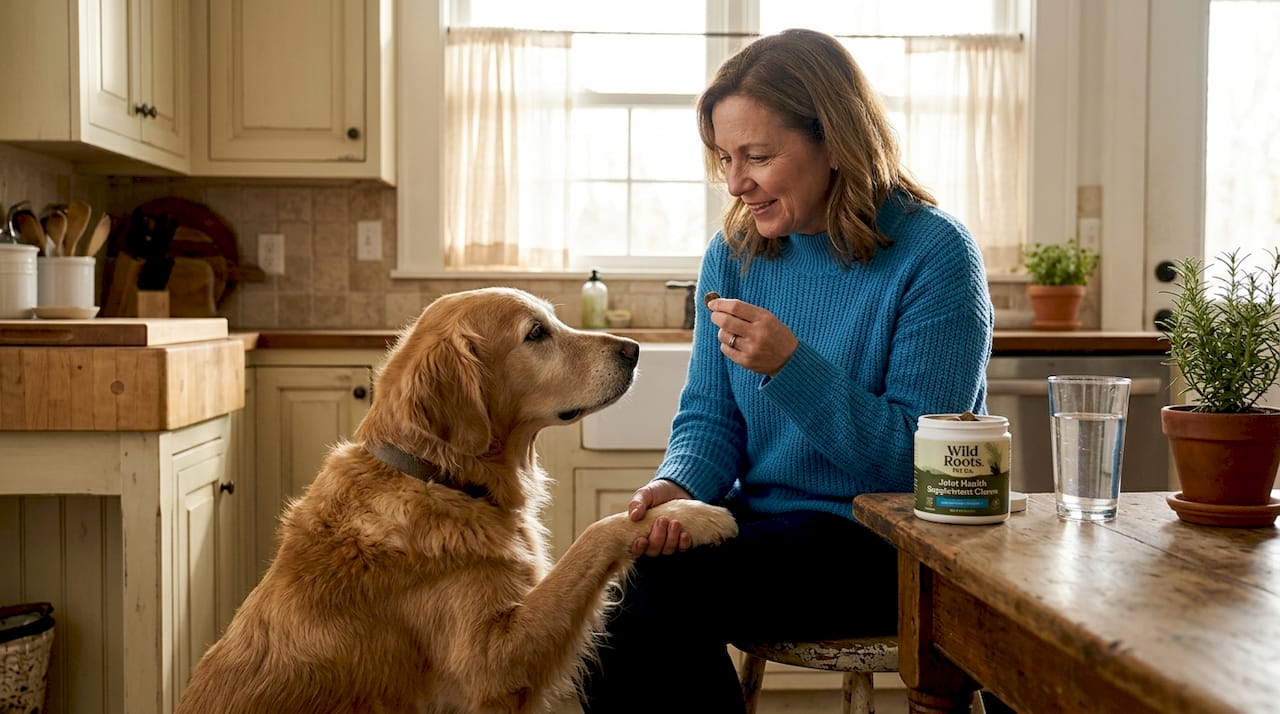
Gut health drives far more than digestion. A balanced gut microbiome supports nutrient absorption, immune response, and even mood regulation in dogs and cats. Triple-biotic formulations combining probiotics, prebiotics, and postbiotics are increasingly recognized as the gold standard for maintaining gut balance and immune health in pets. YuMOVE’s introduction of triple-biotic supplements reflects a broader industry shift toward synergistic gut support rather than single-strain probiotic products.
Probiotics introduce beneficial bacteria. Prebiotics feed those bacteria. Postbiotics are the metabolic byproducts that directly signal immune cells and reinforce the gut lining. Together, these three components sustainably improve pet gut microbiomes in a way that single-ingredient products cannot match.
Digestive supplements are most critical during antibiotic treatment, after illness, or when switching diets. These are the moments when your pet’s gut flora is most vulnerable and most responsive to support.
Situations where digestive supplements make the biggest difference:
- During or after antibiotic courses: Antibiotics wipe out beneficial bacteria alongside harmful ones
- Sensitive stomach pets: Chronic loose stools or gas often signal microbiome imbalance
- Diet transitions: New proteins or formats stress the digestive system
- Senior pets: Gut flora diversity declines with age
Fera Pets produces a USDA organic probiotic line that covers both dogs and cats. When selecting any probiotic product, look for third-party certification and a guaranteed CFU count at the time of expiration, not just at manufacture.
Pro Tip: Store probiotics in a cool, dry place away from direct sunlight. Heat degrades live cultures faster than most pet owners realize, and a compromised probiotic delivers a fraction of its labeled benefit.
The Wildrootspet Sym-Biota K9 is worth examining if you want a digestive supplement built around effective gut microbiome support.
4. Omega-3 fatty acids and skin and coat health
Omega-3 fatty acids, specifically EPA (eicosapentaenoic acid) and DHA (docosahexaenoic acid), are the most broadly beneficial supplements you can give a dog or cat. They reduce systemic inflammation, support skin barrier function, improve coat shine, protect joint tissue, and contribute to heart and cognitive health. Experts recommend that fish oil supplements contain at least 225 mg of combined EPA and DHA per serving for effective systemic inflammation reduction. That number matters because total oil content tells you nothing about therapeutic value.
| Format | Pros | Cons |
|---|---|---|
| Liquid fish oil | Precise dosing, easy to mix into food | Oxidizes faster, requires refrigeration |
| Softgel capsules | Convenient, travel-friendly, slower oxidation | Fixed dose, harder to adjust for small pets |
| Food toppers with fish | Palatability, whole-food source, added protein | Lower EPA/DHA concentration per serving |
Fish oil quality varies dramatically. Small, wild-caught fish sources like sardines, anchovies, and mackerel carry lower toxin loads than large predatory fish. NASC-certified products and those with third-party purity testing are the safest choices. Wildrootspet’s wild-caught fish topper delivers omega-3s in a whole-food format that most pets find far more appealing than capsules.
Pro Tip: Refrigerate fish oil immediately after opening. Rancid fish oil not only loses potency but can cause oxidative stress, which is the opposite of what you are supplementing for.
5. Immune support supplements and antioxidant nutrition
Immune function in pets depends on a combination of antioxidants, trace minerals, and herbal compounds that neutralize free radicals and regulate inflammatory response. Vitamins C, E, selenium, turmeric, and echinacea are the most evidence-supported ingredients for immune modulation in dogs and cats. These compounds are particularly valuable for senior pets, those recovering from illness, or animals under chronic stress.
Immune-supportive ingredients and their primary roles:
- Vitamin E: Fat-soluble antioxidant that protects cell membranes from oxidative damage
- Vitamin C: Supports collagen synthesis and immune cell production (dogs synthesize some, but supplementation helps under stress)
- Selenium: Trace mineral that activates antioxidant enzymes and supports thyroid function
- Turmeric (curcumin): Anti-inflammatory compound with growing veterinary research support
- Echinacea: Herbal immune modulator used in short-term immune challenges
| Supplement | Best for | Caution |
|---|---|---|
| Vitamin E | Skin, immune, anti-aging | Fat-soluble; excess causes toxicity |
| Selenium | Thyroid, antioxidant enzyme support | Narrow therapeutic window |
| Turmeric | Inflammation, joint, liver support | Bioavailability requires piperine or fat |
| Echinacea | Short-term immune challenges | Not for long-term continuous use |
One critical point: multivitamins are usually unnecessary for healthy pets eating complete commercial diets, and overuse of fat-soluble vitamins A, D, and E can cause toxicity. Supplementing without a clear reason and veterinary input is where well-intentioned pet owners cause unintended harm. Wildrootspet’s holistic multivitamin formula is designed for pets with identified nutritional gaps, not as a blanket daily addition.
6. How to choose and safely use pet supplements
Selecting the right supplement starts with understanding what your pet actually needs, not what marketing claims suggest. Third-party testing and NASC certification are the two most reliable quality indicators available to pet owners today. NASC (National Animal Supplement Council) requires member companies to meet manufacturing standards, maintain adverse event reporting, and submit to facility audits. A product without this seal is not automatically inferior, but one with it has cleared a meaningful bar.
Follow this process before adding any supplement to your pet’s routine:
- Identify a specific health goal. Joint stiffness, dull coat, loose stools, and low energy each point to different supplement categories.
- Consult your veterinarian. Blood panels and physical exams reveal deficiencies that guesswork cannot. A vet can also flag interactions with existing medications.
- Check the label for active ingredient concentrations. A probiotic listing CFU count only at manufacture is less reliable than one guaranteeing CFU at expiration.
- Start one supplement at a time. Introducing multiple products simultaneously makes it impossible to identify what is working or causing a reaction.
- Give it time. Joint supplements typically require six to eight weeks to show measurable effect. Probiotics can show results within two weeks.
- Reassess every six months. Your pet’s needs change with age, activity level, and health status.
Pro Tip: Read the premium pet nutrition guide at Wildrootspet before your next supplement purchase. It covers ingredient sourcing and quality markers that most product pages leave out.
Key takeaways
The most effective approach to pet supplementation is targeted, vet-informed, and built around four core categories: joint health, digestive balance, omega-3 fatty acids, and immune support.
| Point | Details |
|---|---|
| Prioritize four core categories | Joint, digestive, omega-3, and immune supplements cover the majority of pet health needs. |
| EPA and DHA dosage matters | Look for at least 225 mg of combined EPA and DHA per serving in any fish oil product. |
| Triple-biotic beats single probiotics | Formulas combining pro-, pre-, and postbiotics deliver more durable gut health benefits. |
| NASC certification is your quality filter | Products with NASC seals have met manufacturing and safety standards that generic brands skip. |
| Avoid unnecessary multivitamins | Healthy pets on complete diets rarely need multivitamins; excess fat-soluble vitamins cause toxicity. |
Why I think most pet owners are supplementing backwards
I have spent years reading veterinary nutrition research and talking to pet owners who are genuinely trying to do right by their animals. The pattern I keep seeing is this: people reach for a multivitamin first because it feels like a safety net, when the science says targeted supplements for specific, identified needs deliver far better outcomes.
The supplement industry is not short on trendy formulas. Adaptogens, mushroom blends, and CBD products get enormous attention, but the supplements with the deepest evidence base are the unglamorous ones: fish oil, glucosamine, and a quality probiotic. These three alone address the most common health complaints I hear from dog and cat owners.
What I have also learned is that quality verification is non-negotiable. A cheap fish oil that has gone rancid in the warehouse is not just ineffective. It is actively harmful. The Fera Pets standard of NASC certification, vet formulation, and transparent sourcing is the benchmark every brand should be held to, and it is the lens I use when evaluating any new product.
Not every pet needs every supplement on this list. A young, active dog on a high-quality raw diet may need nothing beyond omega-3 support. A twelve-year-old cat with arthritis and a sensitive stomach needs a very different stack. The tailored approach is not just smarter. It is safer.
— Blayne
Find the right supplements at Wildrootspet
Wildrootspet carries a curated selection of natural pet supplements and food toppers built around the same quality principles covered in this article: transparent ingredients, whole-food sources, and products your pet will actually eat.

The Treat Topper Fish Dog Food Topper delivers wild-caught omega-3s in a low-fat, palatable format that works as both a supplement and a meal enhancer. For pets with sensitivities, the daily wellness formula supports immune and microbiome health without pork or beef proteins. Every product at Wildrootspet is selected with the health-conscious pet owner in mind, so you spend less time decoding labels and more time seeing results.
FAQ
What are the most important supplements for dogs and cats?
The four categories with the strongest scientific backing are joint support (glucosamine, chondroitin, MSM), digestive health (probiotics and prebiotics), omega-3 fatty acids (EPA and DHA), and antioxidant-based immune support. Most pets benefit most from fish oil and a quality probiotic as a starting point.
How do I know if a pet supplement is high quality?
Look for NASC certification, third-party testing, and clear labeling of active ingredient concentrations. Products from brands like Fera Pets and Nutramax that list CFU counts at expiration (for probiotics) or EPA/DHA milligrams per serving (for fish oil) are more trustworthy than those with vague label claims.
Can I give my pet a multivitamin every day?
Healthy pets eating a complete commercial diet generally do not need a daily multivitamin, and excess fat-soluble vitamins A, D, and E can cause toxicity over time. Consult your veterinarian before adding any multivitamin to confirm your pet has an actual nutritional gap.
How long does it take for pet supplements to work?
Probiotics can show digestive improvements within one to two weeks. Joint supplements like glucosamine and chondroitin typically require six to eight weeks of consistent use before measurable improvement in mobility appears. Omega-3 effects on coat condition are usually visible within four to six weeks.
Are natural supplements for dogs safer than synthetic ones?
Natural sourcing, such as wild-caught fish for omega-3s or whole-food probiotics, often delivers better bioavailability and fewer contaminants, but “natural” alone is not a safety guarantee. Third-party testing and NASC certification matter more than the natural label when evaluating any pet wellness supplement.