

You’ve probably seen “superfood” splashed across pet food bags and treat packaging, and you’ve wondered whether it actually means anything. The role of superfoods in pet diets is genuinely significant, but not in the way most marketing suggests. These ingredients can support immunity, joint health, digestion, and coat condition when used correctly. The problem is that “superfood” is not a regulated term, and no single ingredient compensates for a poorly balanced diet. This article cuts through the noise and gives you a practical, science-backed look at what these ingredients do, which ones work for dogs versus cats, and how to use them without falling for the hype.
Table of Contents
- Key Takeaways
- What superfoods actually are (and are not)
- Best superfoods for dogs and cats
- How to add superfoods safely
- Superfoods and the pet food market
- My honest take on superfood hype
- Give your pet the superfoods that actually work
- FAQ
Key Takeaways
| Point | Details |
|---|---|
| “Superfood” is a marketing term | No scientific category exists for superfoods; overall diet balance matters far more than any single ingredient. |
| Processing destroys nutrients | High-heat extrusion degrades antioxidants and omega-3s, so food format matters as much as ingredient list. |
| Dogs and cats have different needs | Cats are obligate carnivores; plant-based superfoods cannot replace the taurine and other nutrients they need from animal tissue. |
| Antioxidants and omega-3s have strong evidence | Vitamin E, EPA, and DHA are the most research-supported superfoods for reducing inflammation and oxidative stress in pets. |
| Rotation beats concentration | Cycling through a variety of nutrient-dense ingredients delivers broader benefits than overloading on one trendy ingredient. |
What superfoods actually are (and are not)
The word “superfood” has no scientific definition. It is a marketing-based term that describes ingredients with an unusually high concentration of vitamins, minerals, antioxidants, or other beneficial compounds. In practice, that covers a wide range of real foods: wild-caught salmon, blueberries, pumpkin, kale, chia seeds, and turmeric, among others.
What these ingredients share is nutrient density. A tablespoon of pumpkin, for example, delivers fiber, beta-carotene, and potassium in a form that most dogs digest well. Blueberries deliver polyphenols and vitamin C. Salmon delivers EPA and DHA, the omega-3 fatty acids most strongly tied to reduced inflammation in dogs and cats.
Here is what matters for the role of antioxidants in pet diets specifically. Vitamin E functions as a lipid-phase antioxidant that protects cell membranes from oxidative damage, and it works synergistically with vitamin C and beta-carotene. When a pet food contains all three, the combined protective effect is greater than any single compound alone.
The catch is processing. High-heat extrusion degrades antioxidants and sensitive omega-3 fatty acids significantly. A product can list blueberries on the label and still deliver minimal polyphenol activity after baking at high temperatures. Fresh, minimally processed, or freeze-dried formats preserve these compounds far better.
- Berries (blueberries, cranberries): polyphenols, vitamin C, urinary tract support
- Fatty fish and fish oil: EPA and DHA for joints, skin, and brain
- Pumpkin and sweet potato: soluble fiber for digestive health
- Leafy greens (spinach, kale): folate, vitamin K, iron, when used appropriately
- Seeds (chia, flaxseed): plant-based omega-3s (ALA), fiber, and minerals
- Turmeric: curcumin with anti-inflammatory properties, though bioavailability in pets is limited without fat and black pepper
Pro Tip: If you want the nutritional value of superfoods to actually reach your pet’s cells, check whether the product uses freeze-dried, raw, or cold-pressed methods. The ingredient list tells you what went in. The processing method tells you what survived.
Best superfoods for dogs and cats
Dogs and cats do not have the same nutritional requirements, and this distinction is critical when you talk about the impact of superfoods on pets. Dogs are omnivores. They can extract meaningful nutrition from plant-based ingredients like berries and root vegetables. Cats are obligate carnivores. Their bodies cannot synthesize taurine, arachidonic acid, or vitamin A from plant precursors. Cats require species-specific nutrients from animal tissue that no plant-based superfood can replicate.
That said, both species benefit from specific, targeted superfood ingredients when those ingredients are used alongside a species-appropriate diet, not instead of one.

| Superfood | Key Nutrients | Best For | Dogs | Cats |
|---|---|---|---|---|
| Wild salmon / fish oil | EPA, DHA | Joints, coat, brain | ✓ | ✓ |
| Blueberries | Polyphenols, vitamin C | Immune support | ✓ | Small amounts |
| Pumpkin | Fiber, beta-carotene | Digestion | ✓ | ✓ |
| Spinach / kale | Folate, vitamin K, iron | Antioxidant support | ✓ | Limited |
| Chia seeds | ALA, fiber, calcium | Skin, coat, digestion | ✓ | Occasionally |
| Green-lipped mussel | Omega-3s, glucosamine | Joint health | ✓ | ✓ |
| Turmeric | Curcumin | Anti-inflammatory | ✓ | Caution |
Omega-3 fatty acids EPA and DHA are the most evidence-supported superfoods available for pets. Research recommends 100 mg/kg for dogs and 50 mg/kg for cats, and green-lipped mussel in particular has shown benefits comparable to some NSAIDs for joint inflammation. That is not marketing copy. That is clinical data.
For senior pets, superfood supplementation targeting joints, cognition, immune function, and coat health offers the most measurable return, especially when sources are rotated to avoid nutrient overloading. A dog eating salmon-based food five days a week and sardines twice a week gets broader EPA and DHA diversity than one eating the same single protein daily.
Pro Tip: For cats, prioritize animal-based superfoods first: fish, organ meats, and green-lipped mussel. Plant-based options like pumpkin can support digestion as a small addition, but they should never anchor the nutritional strategy for an obligate carnivore.
Wondering how superfoods fit within naturally balanced meals? The approach to natural ingredients for pet diets gives a solid framework for thinking about ingredient rotation across different life stages.
How to add superfoods safely
The question of whether superfoods are good for pets is not binary. The answer is: it depends entirely on how you use them. Here is a practical framework for adding them without tipping your pet’s diet out of balance.
-
Start with a complete, balanced base. Superfoods are additions, not foundations. Your pet’s core diet should already meet AAFCO nutrient profiles before you layer anything on top. A topper or supplement adds benefit; it does not fix a nutritionally incomplete food.
-
Introduce one ingredient at a time. Add a new superfood for seven to ten days before introducing another. This gives you a clear picture of tolerance and lets you identify any digestive upset or allergic response without guessing the culprit.
-
Respect portion limits. Superfoods in excess cause problems. Spinach in large quantities can contribute to oxalate buildup in pets prone to urinary crystals. Too much fish oil without vitamin E can actually increase oxidative stress rather than reduce it. More is not better.
-
Avoid human superfoods that are toxic to pets. Garlic and onion are the most dangerous examples. Both are toxic to cats and dogs even in small amounts, despite being widely celebrated as human health foods. Grapes, raisins, and avocado also make this list.
-
Talk to your vet if your pet has a chronic condition. Omega-3 supplementation, for example, can interact with blood clotting. A dog already on NSAIDs for joint pain needs veterinary guidance before you add green-lipped mussel on top.
-
Read labels critically. Superfoods help consumers identify a product’s functional benefits more easily, but their impact depends on formulation balance. An ingredient listed tenth or twelfth is present in such small amounts that its effect is likely cosmetic. Look for meaningful placement in the ingredient list and specific inclusion rates where disclosed.
Reading labels alongside understanding grain-inclusive pet food options helps you see how whole ingredients fit into the bigger nutritional picture.
Superfoods and the pet food market
The superfood benefits for pets have not gone unnoticed by the industry. Fortified pet food products now represent 35 to 45% of retail pet food sales in Canada, up from 25 to 30% a decade ago. That shift reflects real consumer demand driven by pet humanization, a growing preventive health mindset, and owners who treat their pets as family members deserving of food that matches their own nutritional standards.
| Market Trend | What It Means for You |
|---|---|
| Fortified foods at 35 to 45% of retail | More options for functional nutrition, but also more marketing noise to filter |
| Fresh and freeze-dried growth | Better nutrient preservation compared to extruded kibble |
| Functional treats with superfoods | Convenient delivery method for targeted supplementation |
| Veterinary therapeutic diets expanding | The highest-quality segment for pets with chronic conditions like osteoarthritis |
| Sustainability in sourcing | More traceable omega-3 sources from wild fisheries and marine ingredients |
The pet food market is shifting toward premium and functional products with stronger health claims, driven by owners willing to invest in preventive care. That is broadly a positive development. The risk is that “superfood” on a label becomes meaningless through overuse, the same way “natural” did a decade ago.
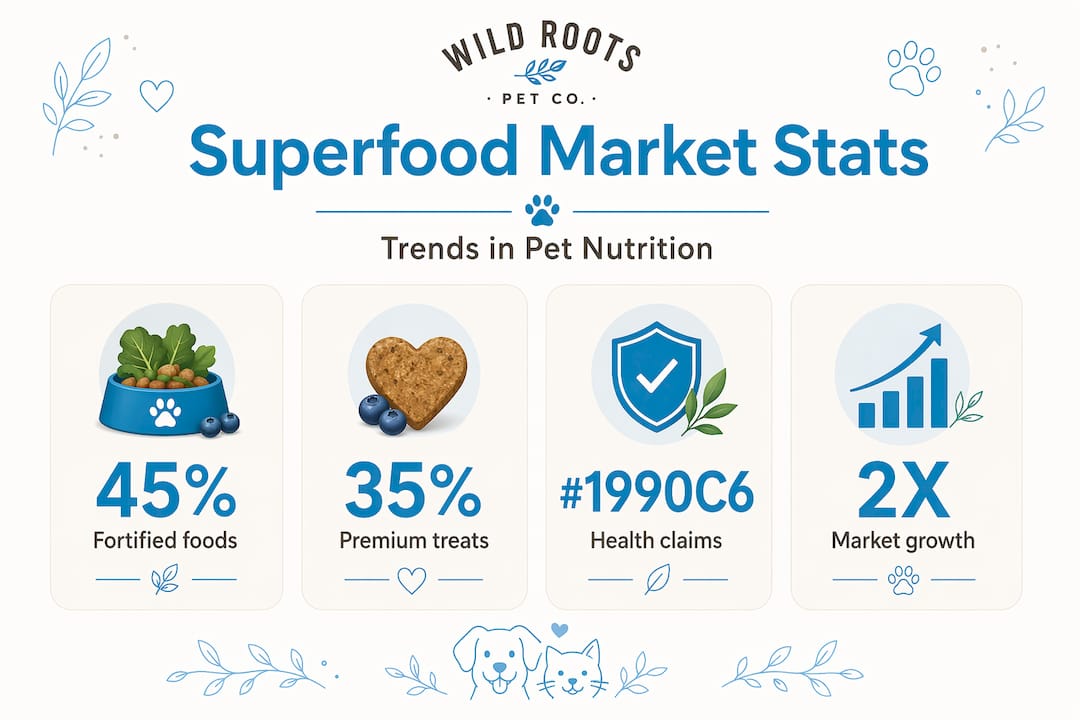
Functional pet treats are one of the fastest-growing formats for superfood delivery, particularly for owners who want targeted supplementation without overhauling their pet’s entire diet. A treat with omega-3-rich fish oil, blueberries, or green-lipped mussel can serve a real purpose when the base diet is already solid.
My honest take on superfood hype
I’ve spent years helping pet owners sort through ingredient claims, and the pattern I keep seeing is the same. Someone reads about turmeric or spirulina and immediately adds it to their dog’s bowl, expecting visible results within weeks. When nothing dramatic happens, they move on to the next trending ingredient.
What I’ve learned is that the most meaningful nutritional changes come from consistency and bioavailability, not novelty. I’ve seen senior dogs genuinely improve in mobility when omega-3 supplementation is dosed correctly and maintained over months. I’ve seen cats with dull coats transform when fish oil is added to a species-appropriate diet. But I’ve also seen pet owners spend money on products that list a superfood as the sixteenth ingredient, which means it’s essentially decorative.
My honest take: superfoods alone don’t cure diseases. They serve as targeted support within a well-structured nutrition plan. If the base diet is wrong for the species, no amount of blueberries fixes it. If the processing method destroys the nutrients before they reach your pet’s gut, the label is irrelevant.
The practical wisdom I’d pass on is this: prioritize format first. A freeze-dried topper with five recognizable ingredients beats a premium-priced kibble with fifteen superfoods that survived high-heat extrusion at a fraction of their original potency. Then look at single-ingredient treats as a way to add real, traceable nutrition without the complexity of multi-ingredient formulas. Keep rotating. Keep checking in with your vet. And treat “superfood” on a bag the same way you treat “all-natural” on human food: a starting point for investigation, not a guarantee of quality.
— Blayne
Give your pet the superfoods that actually work
If this article has shifted how you think about superfoods and pet nutrition, the next step is straightforward. Wildrootspet carries products built around real, traceable ingredients with meaningful inclusion rates. No ingredient is there just for the label.

For omega-3 support, the Omega Pawz liquid omega-3 oil for dogs and cats delivers EPA and DHA in a format that preserves bioavailability. For a daily wellness foundation, the Pet’s Daily Wellness Formula is designed for pets with specific protein sensitivities who still need full-spectrum nutritional support. And if you’re looking to add a protein-rich superfood topper to your dog’s meals, the fish food topper is a low-fat, nutrient-dense option that works with both kibble and raw feeding. Explore the full range at Wildrootspet and find what fits your pet’s actual needs.
FAQ
What does “superfood” mean in pet nutrition?
“Superfood” is a marketing term, not a scientific category. It generally refers to ingredients with high nutrient density, such as fatty fish, berries, or leafy greens, that offer targeted health benefits when included in a balanced pet diet.
Are superfoods safe for cats?
Some are, but cats are obligate carnivores, so animal-based superfoods like fish oil and green-lipped mussel are safer and more effective than plant-based options. Certain human superfoods including garlic and onion are toxic to cats and should never be used.
Which superfoods are best for dogs with joint problems?
Omega-3 fatty acids EPA and DHA, found in fatty fish, fish oil, and green-lipped mussel, have the strongest clinical evidence for reducing joint inflammation in dogs. Dosing at 100 mg/kg of body weight is the commonly cited veterinary guideline.
Do superfoods in pet food actually survive processing?
Not always. High-heat extrusion can degrade antioxidants and omega-3s significantly. Freeze-dried, raw, and cold-pressed formats preserve these nutrients far better than baked or extruded products.
Can I give my pet too many superfoods?
Yes. Excess spinach can contribute to urinary oxalate buildup, and too much fish oil without adequate vitamin E can increase oxidative stress rather than reduce it. Moderation, rotation, and veterinary guidance matter as much as the ingredients themselves.
Recommended
- Natural ingredients for pet diets: healthier choices – Wild Roots Pet Co.
- Healthy pet treats: natural options for dogs and cats – Wild Roots Pet Co.
- Functional pet treats explained: natural benefits for pets – Wild Roots Pet Co.
- Why Organic Pet Food? Health, Facts, and What Matters Most – Wild Roots Pet Co.