

Raw bones sit at the center of one of the most debated topics in dog nutrition. The role of raw bones for dogs is genuinely complex: some veterinarians praise them for dental and nutritional value while others warn they send dogs to the emergency clinic. If you’ve searched for a straight answer and found only contradictions, you’re not alone. This guide cuts through the noise and gives you the specific information you need to make an informed decision for your individual dog.
Table of Contents
- Understanding the dental and nutritional benefits of raw bones
- Examining the significant risks and veterinary warnings about raw bones
- How to choose the right raw bones and practice safe feeding
- Balancing raw bones with overall diet and health considerations
- Comparing raw bones to other dental and chew options for dogs
- The balanced truth about raw bones: nuanced veterinary wisdom for dog owners
- Enhance your dog’s raw feeding experience with Wild Roots Pet products
- Frequently asked questions
Key Takeaways
| Point | Details |
|---|---|
| Dental benefits with caution | Raw bones can reduce tartar and support dental health when given properly with supervision. |
| Know the risks | Feeding raw bones carries risks like choking, tooth fractures, and bacterial contamination that require care. |
| Size and supervision matter | Matching bone size to your dog’s breed and supervising chewing are essential safety measures. |
| Balance with nutrition | Raw bones should be part of a balanced diet incorporating meat, organs, and veggies for overall health. |
| Alternatives exist | Safer dental chews and toys are good options for dogs that cannot handle raw bones safely. |
Understanding the dental and nutritional benefits of raw bones
For many dogs, raw bones are the closest thing to a natural toothbrush. As your dog chews, the bone’s surface scrapes against teeth, physically removing tartar and plaque in a way no dry kibble can replicate. Dogs fed raw bones had 40% less tartar buildup than those on kibble alone, which is a meaningful difference when you consider that dental disease affects over 80% of adult dogs by age three.
But dental health is only part of why people feed raw bones to dogs. The nutritional value of raw bones is substantial. Bone marrow contains fat-soluble vitamins and essential fatty acids. The bone matrix itself provides calcium and phosphorus in ratios that closely mirror what a dog’s body needs. Trace minerals like magnesium, zinc, and manganese come along for the ride too.
Beyond nutrition, there’s the behavioral dimension. Dogs are hardwired to chew. Giving your dog a raw bone satisfies that drive in a way that goes beyond the physical. It reduces anxiety, keeps idle dogs occupied, and channels energy that might otherwise go toward your furniture. Think of it as enrichment that also serves a dietary function.
Here’s a quick summary of the core benefits:
- Dental cleaning: Physical scraping action reduces plaque and tartar buildup
- Mental stimulation: Sustained chewing occupies focus and releases calming endorphins
- Calcium and phosphorus: Raw bones supply these minerals in biologically available forms
- Marrow nutrition: Bone marrow adds fats, vitamins, and calories
- Natural behavior support: Chewing is instinctual; raw bones fulfill it safely when supervised
“Veterinary nutritionists who support raw feeding emphasize that the benefits are real but highly dependent on matching the bone type to the dog’s size, age, and chewing style.”
If you’re exploring dog chews options for the first time, raw bones represent the most natural end of the spectrum. They’re not right for every dog, but for the right dog under proper supervision, the benefits stack up.
Examining the significant risks and veterinary warnings about raw bones
Here’s where the conversation gets harder. Understanding why feed raw bones to dogs also means understanding why some professionals say you shouldn’t. The risks are real, documented, and worth knowing in detail before you hand your dog a bone.
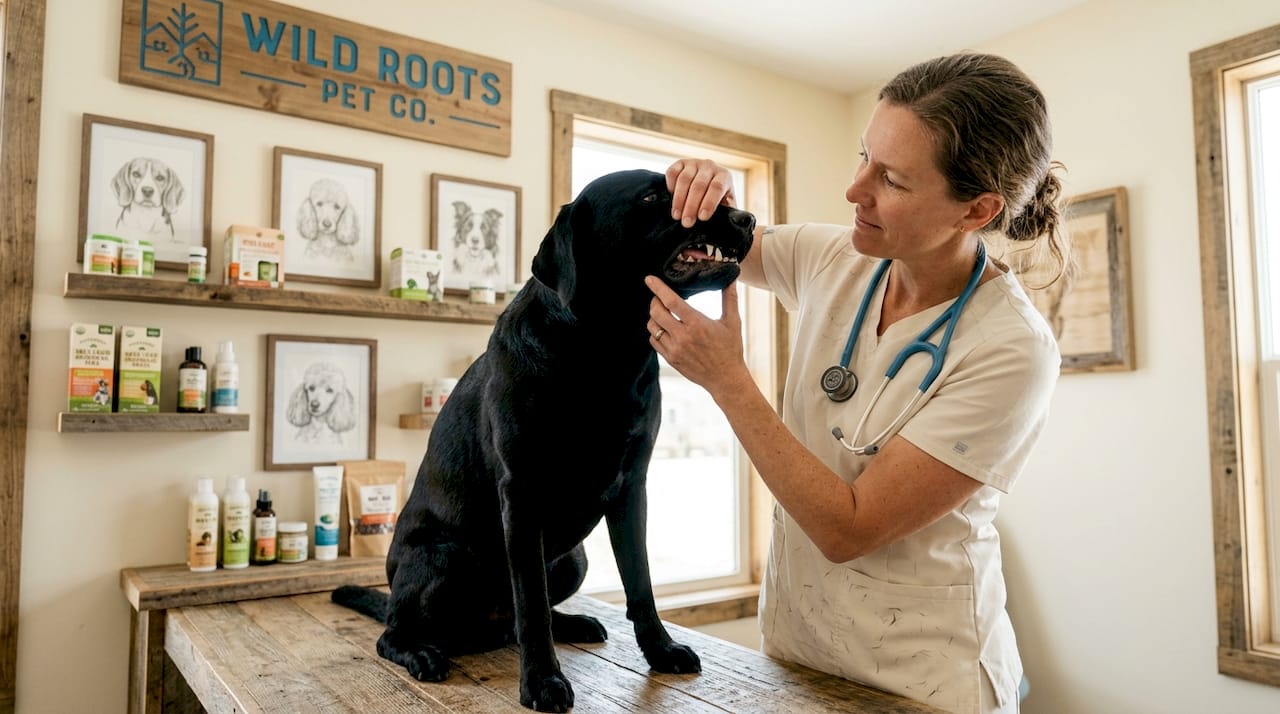
The AVMA officially advises against feeding raw bones to dogs, citing risks of injuries and FDA warnings that have been building since the early 2000s. That’s not a fringe position. Emergency veterinarians treat bone-related injuries regularly, including tooth fractures, esophageal obstructions, bowel perforations, and rectal bleeding from bone shards.
The raw bones health risks for dogs fall into several distinct categories:
- Tooth fractures: Hard bones, especially weight-bearing bones from large animals, can crack carnassial teeth (the large shearing teeth)
- Choking hazards: Bones that are too small or splinter can lodge in the throat
- Gastrointestinal blockages: Large swallowed pieces can obstruct the stomach or intestines
- Bowel perforations: Sharp bone fragments can puncture intestinal walls, which is a life-threatening emergency
- Bacterial contamination: Raw meat and bones carry pathogens that affect both pets and people
That last point deserves attention. FDA studies show raw pet food risks for Salmonella and Listeria, increasing zoonotic (meaning transferable between animals and humans) risks at home. If you have young children, elderly family members, or anyone with a compromised immune system in your household, this matters a lot.
“Emergency vets consistently note that bone-related cases spike on weekends, when well-meaning owners give their dogs a ‘treat’ without supervision.”
The risks don’t mean raw bones are universally off the table. They mean you need to go in with clear eyes. Learning to practice safety with natural chews is the foundation of responsible raw feeding.
How to choose the right raw bones and practice safe feeding
Knowing the risks makes the selection process feel more serious, and it should. The good news is that most raw bone injuries happen for predictable, preventable reasons: wrong bone size, no supervision, or too-long sessions.
Here’s a size-matched guide to raw bone selection:
| Dog size | Weight range | Recommended raw bone |
|---|---|---|
| Small | Under 20 lbs | Chicken necks, chicken wings |
| Medium | 20 to 50 lbs | Chicken backs, rabbit legs |
| Large | 50 to 90 lbs | Lamb necks, beef ribs |
| Extra large | Over 90 lbs | Beef knuckles, bison neck bones |
Match bone size precisely by dog weight categories and limit feeding to one to two times weekly under supervision to avoid constipation and injuries. This isn’t optional guidance. It’s the framework that separates safe raw bone feeding from a vet visit.
Follow these steps when introducing raw bones:
- Start with softer bones like chicken necks before moving to denser options
- Choose a bone larger than your dog’s mouth so it can’t be swallowed whole
- Feed on an easy-to-clean surface like tile or outdoors, not carpet
- Set a timer for 15 to 20 minutes and remove the bone when the session ends
- Refrigerate or discard any bone after one session; never leave it out
- Monitor stools for the next 24 to 48 hours; white, chalky stools signal too much calcium
Pro Tip: If your dog is a gulper (a dog that eats fast and swallows large chunks without real chewing), raw bones are genuinely not a good fit. A dog that chews deliberately is a candidate; a dog that inhales food is not.
If you’re new to natural feeding, review this guide on how to transition to raw diet before adding raw bones to the rotation.
Balancing raw bones with overall diet and health considerations
Raw bones diet for dogs is a phrase that sometimes gets misinterpreted. Bones are a component of a raw diet, not the whole thing. Feeding bones alone creates nutritional imbalances that can cause real problems over time, including hypercalcemia (too much calcium in the blood) and deficiencies in other nutrients.
A properly formulated raw diet includes:
- Muscle meat: The primary protein and energy source
- Raw meaty bones: For calcium and phosphorus (typically 10 to 15% of total diet)
- Organ meat: For fat-soluble vitamins and micronutrients
- Vegetables and fruit: For fiber, antioxidants, and phytonutrients
The AAHA and WSAVA do not recommend raw diets including bones due to bacterial contamination and nutritional imbalances, prioritizing public health. This position reflects institutional caution, but it also highlights that improperly balanced raw diets are a documented problem.
Here’s a snapshot of when to avoid raw bones entirely:
| Dog situation | Reason to avoid raw bones |
|---|---|
| Puppies under 12 weeks | Teeth and jaw not developed enough |
| Dogs with GI disease | Risk of perforation or blockage increases |
| Immunocompromised dogs | Less able to fight bacterial exposure |
| Aggressive gulpers | High choking and obstruction risk |
| Households with vulnerable people | Zoonotic bacterial risk |
Pro Tip: If you’re not ready to manage a fully raw diet yourself, properly formulated commercial raw blends give you more nutritional control and reduce some of the guesswork. They’re not identical to whole raw feeding but are a meaningful middle ground.
For dogs who need dental benefits without the raw bone risks, safe dog chews like pressed chews or dental sticks offer a lower-risk alternative worth considering.
Comparing raw bones to other dental and chew options for dogs
Are raw bones the best dental chew option? Not for every dog. Understanding how they compare to alternatives helps you make a practical choice based on your dog’s specific situation.
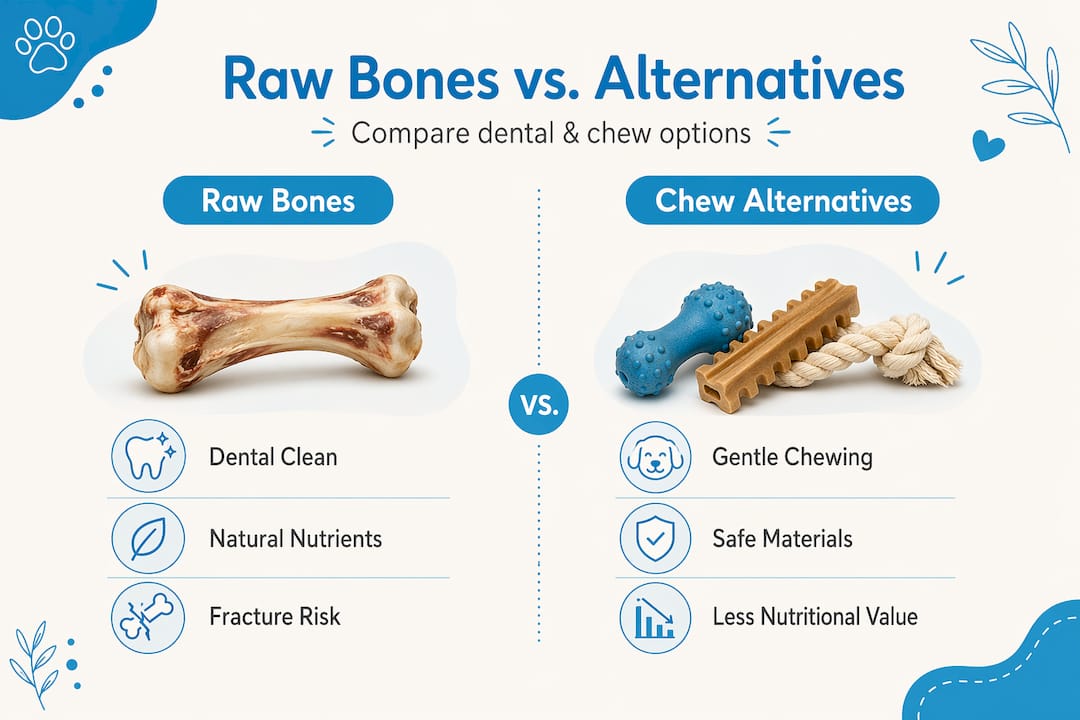
Chewing on raw bones decreases plaque but carries the risk of fractures; some alternatives provide dental benefit with meaningfully less danger. That tradeoff is real, especially for dogs with existing dental work or dogs whose chewing style is aggressive.
| Chew option | Dental benefit | Fracture risk | Bacterial risk | Cost range |
|---|---|---|---|---|
| Raw bones | High | Moderate to high | Present | Low |
| Pressed rawhide | Moderate | Low | Low | Low to moderate |
| Dental chews | Moderate | Very low | None | Moderate |
| Rubber chew toys | Low to moderate | None | None | Moderate to high |
| Antlers / horns | Moderate | High | None | Moderate to high |
Key factors to weigh when choosing:
- Chewing style: Power chewers fracture teeth on hard bones and antlers alike
- Household vulnerability: Bacterial risk matters more in some homes than others
- Dental history: Dogs with existing fractures or crowns need softer options
- Budget and convenience: Dental chews and rubber toys are easier to manage daily
Pro Tip: The “knuckle test” works for raw bones: if you can’t dent the bone with your thumbnail, it’s too hard for your dog’s teeth. Weight-bearing bones from large animals (beef femur, for example) regularly fracture dogs’ teeth and are generally not worth the risk.
Browse this dog chews comparison to see how the options stack up across different dog sizes and chewing personalities.
The balanced truth about raw bones: nuanced veterinary wisdom for dog owners
Here’s the perspective that rarely appears in these conversations: the raw bone debate is not actually about bones. It’s about the gap between how we imagine our dogs and how they actually behave.
Most owners who feed raw bones imagine the ideal scenario: a dog calmly gnawing a bone for 15 minutes, getting clean teeth and good minerals, then walking away satisfied. Some dogs do exactly that. Others try to swallow the whole thing in four minutes. The difference between those two dogs is the real variable the AVMA warnings can’t account for.
It’s not about whether bones are good or bad. It’s about matching the bone to the dog. That framing changes everything. It stops the argument from being philosophical and makes it practical.
Holistic vets who support raw feeding aren’t ignoring the risks. They’re applying them differently. They evaluate the individual dog: jaw strength, chewing style, health history, household composition. They supervise. They adjust. They don’t hand every patient the same prescription.
The owners who get in trouble are usually at one of two extremes. On one side: the person who heard raw bones are natural and therefore assumes they’re universally safe, no supervision needed. On the other: the person so paralyzed by the AVMA warning that they never explore any natural chewing option at all, leaving their dog with no outlet for a hardwired behavior.
The smart path is in the middle. Know your dog’s chewing behavior before you offer any bone. Start with the softest appropriate option. Stay in the room. Check in with your vet, ideally one who has experience with raw feeding. Learning to use natural chews safely is a skill, and like any skill, it improves with practice and attention.
Enhance your dog’s raw feeding experience with Wild Roots Pet products
If this guide has you ready to take a more intentional approach to your dog’s nutrition, Wild Roots Pet has the products to support it. Whether you’re adding raw bones to an existing raw diet or starting fresh, the foundation matters.

The raw PMR pork meal blend is formulated to deliver balanced muscle meat, organs, and minerals that complement raw bone feeding without guesswork. For dogs that need extra palatability or a nutritional boost without hard chews, the beef treat topper is an easy way to enhance any meal. Both products reflect the same natural, whole-ingredient philosophy that makes raw feeding worth doing right. Ready to build the full picture? Start with a safe raw diet transition and take it one step at a time.
Frequently asked questions
Can all dogs safely eat raw bones?
No. Small puppies under 12 weeks, aggressive gulpers, and dogs with dental issues or gastrointestinal conditions should avoid raw bones, as should dogs in households with immunocompromised individuals.
What types of raw bones are safest for different dog sizes?
Small dogs do best with chicken necks; medium dogs can handle chicken backs or rabbit legs; large dogs should receive beef knuckles or lamb necks. Match bone size by weight category to reduce the risk of choking and injury.
How often should raw bones be fed to adult dogs?
Feed raw bones one to two times per week with sessions lasting 15 to 20 minutes under direct supervision to avoid constipation, tooth damage, and other injuries.
Are there bacterial risks from feeding raw bones?
Yes. Raw pet food samples test positive for Salmonella and Listeria, which can spread to humans in the household, especially children and elderly family members, through contact with contaminated surfaces or the dog itself.
What are safer alternatives to raw bones for dental health?
Dental chews, rubber chew toys, and formulated dental products can reduce plaque with significantly lower fracture risk and no bacterial contamination concern, making them a practical option for dogs who aren’t good raw bone candidates.
Recommended
- How to safely transition your dog to a raw diet – Wild Roots Pet Co.
- How to safely use natural dog chews for healthy pets – Wild Roots Pet Co.
- Types of dog chews: Choosing safe, healthy options for every pup – Wild Roots Pet Co.
- Natural ingredients for pet diets: healthier choices – Wild Roots Pet Co.