

Species-appropriate pet food is a dietary framework built around your pet’s evolutionary biology, anatomy, and metabolic design, prioritizing animal-based proteins and minimal processing over convenience-driven formulations. The concept goes by another name in veterinary nutrition circles: biologically appropriate feeding. Both terms describe the same principle. Your dog or cat is not a metabolic blank slate that thrives on any calorie source. Their digestive systems, dentition, and enzyme profiles reflect millions of years of adaptation to specific food types. Understanding what is species appropriate pet food means understanding what your pet’s body was built to process, not what a manufacturing line was built to produce.
What is species-appropriate pet food, and why does biology define it?
Species-appropriate nutrition is defined as feeding aligned with a pet’s evolutionary anatomy and metabolic design, with animal-based proteins at the center and plant-based fillers at the margins. This is not a marketing position. It is a biological one.
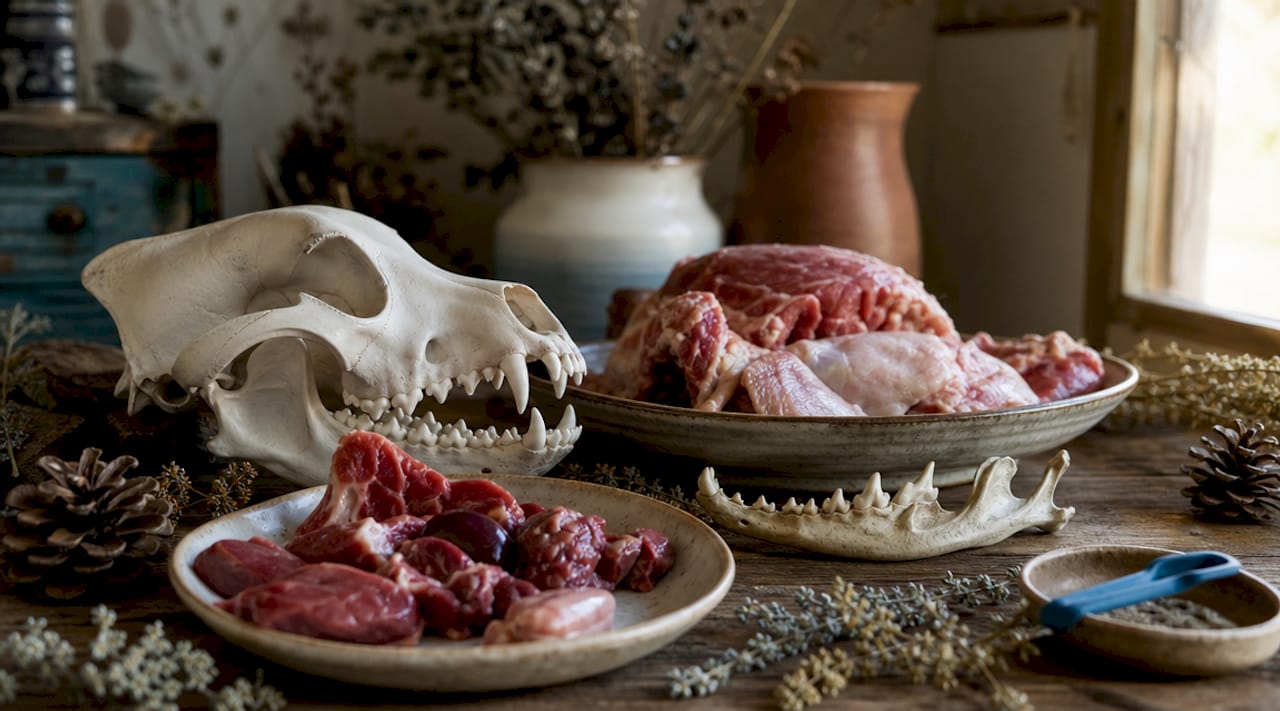
Dogs and cats share several anatomical features that point directly to carnivorous or facultative carnivorous diets. Their teeth are designed for tearing and shearing, not grinding grains. Their jaw mechanics allow vertical crushing force, not the lateral grinding motion herbivores use to break down plant cellulose. Their gastric acidity sits significantly lower on the pH scale than human stomachs, which accelerates protein breakdown and provides a natural barrier against pathogens common in raw animal tissue.
Digestive tract length is another telling indicator. Cats and dogs have relatively short intestinal tracts compared to omnivores and herbivores. Shorter intestines mean faster transit times, which suits protein and fat digestion but limits fermentation of complex carbohydrates. This is why high-starch diets can produce loose stools, excess gas, and inconsistent energy levels in many pets.
Metabolically, cats are obligate carnivores. They lack the enzyme delta-6-desaturase in sufficient quantities to convert plant-based omega-3s into the long-chain fatty acids their bodies require. Dogs are more flexible but still thrive on animal fat and protein as primary fuel sources. Both species use gluconeogenesis (producing glucose from protein) rather than relying on dietary carbohydrates for blood sugar regulation.
Pro Tip: If your pet consistently produces large, soft, or odorous stools on a kibble diet, the carbohydrate load may be exceeding their digestive capacity. This is one of the first signs that the food format does not match their biology.
Industrial kibble formulations prioritize shelf stability, manufacturing scalability, and cost efficiency. Extrusion processing, which forces starch-based mixtures through high-heat dies, produces a consistent pellet but is not designed around what a cat or dog’s gut was built to handle. That contrast is the core tension in the species-appropriate feeding conversation.
Raw, fresh, and processed: what are the real differences?
Not all species-appropriate diets look the same. Three main formats exist within this framework, and each carries distinct nutritional implications.
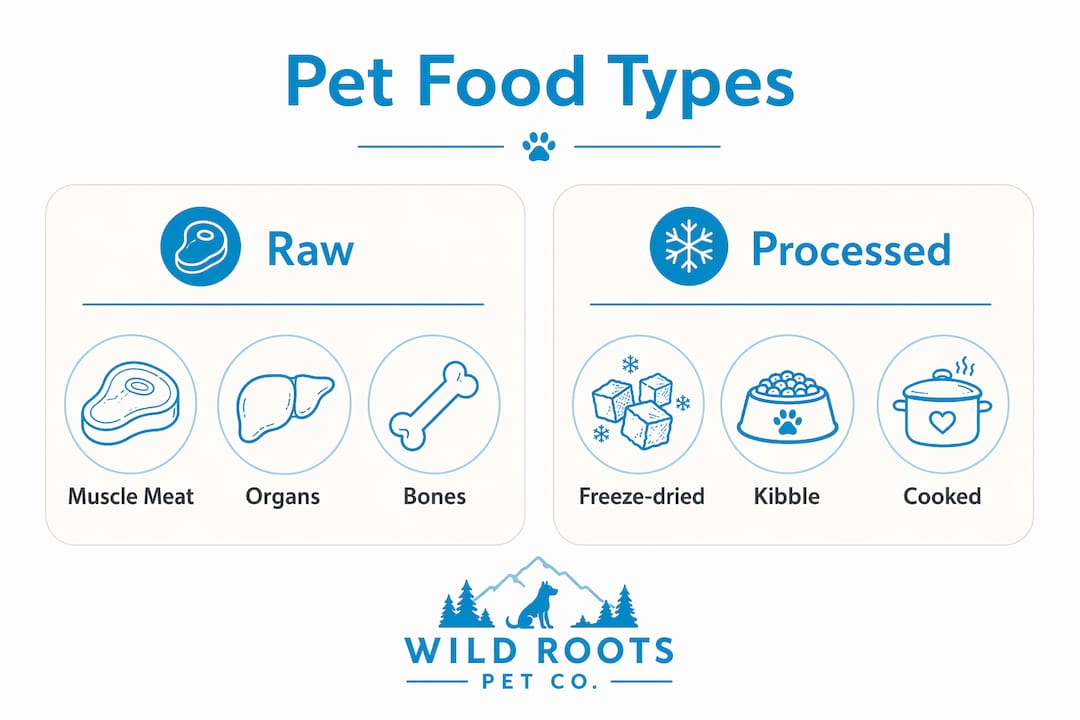
Raw meat-based diets (RMBDs) are commercially formulated products containing uncooked animal muscle meat, organs, and bone. They undergo regulatory input during formulation and are increasingly subject to AAFCO nutritional standards. BARF diets (Biologically Appropriate Raw Food) are typically home-prepared, combining raw meats with vegetables, fruits, and supplements. Commercial RMBDs and BARFs differ significantly in preparation consistency and regulatory oversight, with home-prepared BARFs carrying a higher risk of nutritional imbalance if not carefully formulated. Minimally processed commercial diets include freeze-dried, air-dried, and gently cooked options that retain more nutritional integrity than extruded kibble while offering greater convenience and safety.
| Diet format | Processing level | Nutrient retention | Regulatory oversight |
|---|---|---|---|
| Raw RMBD (commercial) | None | High | Moderate (AAFCO-formulated) |
| BARF (home-prepared) | None | High | Low (owner-dependent) |
| Freeze-dried | Minimal | High | Moderate |
| Gently cooked | Low heat | Moderate to high | Moderate |
| Extruded kibble | High heat | Lower for heat-sensitive nutrients | High (AAFCO-tested) |
Processing method directly shapes what your pet actually absorbs. High-heat extrusion reduces bioavailability of heat-sensitive nutrients like vitamins A and E compared to freeze-dried or raw foods. Manufacturers compensate by adding synthetic vitamin premixes after processing, but synthetic forms of fat-soluble vitamins are not always absorbed with the same efficiency as those naturally present in whole animal tissue.
“Bioavailability of nutrients varies with processing, ingredient source, and pet digestive health; focusing on digestibility is key in species-appropriate feeding.” — Bernie’s University
Safety is a legitimate concern with raw formats. Pathogens like Salmonella and Listeria are present in raw meat. Commercial RMBDs from reputable manufacturers use high-pressure processing (HPP) to reduce bacterial loads without heat. Home-prepared raw diets require strict hygiene protocols, separate preparation surfaces, and careful sourcing. For households with immunocompromised members or young children, the risk calculus changes. This is not a reason to dismiss raw feeding entirely. It is a reason to choose your format and sourcing carefully.
For a practical breakdown of how raw feeding works in real households, Wildrootspet’s raw feeding guide for dogs covers the logistics in detail.
How to read pet food labels for species-appropriate nutrition
Labels are where marketing and nutrition collide, and most pet owners are not equipped to tell the difference. Here is a structured approach to reading them accurately.
-
Check the AAFCO nutritional adequacy statement first. This single line tells you whether the food was formulated to meet minimum nutritional standards or actually tested on animals. A label reading “Animal feeding tests using AAFCO procedures” represents the gold standard for safety and adequacy. Formulation-only statements are weaker. They mean the recipe was calculated to meet standards on paper, not verified through feeding.
-
Read the ingredient list with moisture in mind. Fresh chicken listed first sounds impressive, but fresh chicken is roughly 70% water. Once that moisture is processed out, chicken may represent a much smaller percentage of the final product by weight. Interpreting protein content on a dry matter basis yields far more accurate nutritional comparisons between wet and dry foods.
-
Look for named animal proteins in the first three ingredients. “Chicken,” “salmon,” and “beef liver” are specific and traceable. “Meat meal,” “animal digest,” and “poultry by-product meal” are vague and may include lower-quality tissue sources. Species-appropriate diets prioritize named, identifiable animal proteins.
-
Check the guaranteed analysis against life-stage requirements. Dogs need 40 to 65% protein on a dry matter basis and cats need 50 to 65%, with carbohydrates playing a minor role in both. If a food’s guaranteed analysis shows high carbohydrate content relative to protein, it does not align with species-appropriate principles regardless of how it is marketed.
-
Verify the life-stage designation. AAFCO nutritional adequacy statements specify whether a food is appropriate for growth, maintenance, reproduction, or all life stages. A food labeled for adult maintenance is not formulated to support a growing puppy or kitten.
Pro Tip: Terms like “natural,” “holistic,” “grain-free,” and “ancestral” carry no regulatory definition under AAFCO. They are marketing language. Labels focusing on “natural” or “grain-free” are insufficient without deep nutritional analysis behind them.
For a deeper look at how to evaluate ingredients beyond the label, Wildrootspet’s premium pet nutrition guide walks through the evaluation process step by step.
What are the real benefits and challenges of species-appropriate diets?
The health case for species-appropriate feeding is grounded in physiology, not anecdote. Pet owners who switch to biologically appropriate formats frequently report improvements in coat quality, stool consistency, body composition, and energy levels. These outcomes reflect better nutrient absorption, not just different ingredients.
Specific benefits documented across species-appropriate feeding approaches include:
- Improved digestion. Higher protein digestibility and lower carbohydrate loads reduce fermentation in the gut, producing smaller, firmer stools and less gas.
- Better body condition. Animal-based proteins support lean muscle maintenance more effectively than plant-based protein equivalents, which matters especially for senior pets and working breeds.
- Metabolic resilience. Diets aligned with natural fat and protein metabolism reduce the glycemic spikes associated with high-starch kibble, which may support long-term metabolic health.
- Moisture intake. Raw and fresh diets naturally deliver higher moisture content, supporting kidney function and urinary tract health, particularly in cats who have a low thirst drive by nature.
The challenges are real and worth naming directly. Cost is the most common barrier. High-quality raw or freeze-dried diets cost significantly more per serving than extruded kibble. Storage requires freezer space for raw formats and careful rotation for freeze-dried products. Formulation knowledge matters. A home-prepared diet missing key micronutrients like taurine, zinc, or manganese can cause serious deficiencies over time.
No universal best diet exists. A senior dog with kidney disease has different protein tolerance than a healthy adult working dog. A cat with inflammatory bowel disease may not tolerate high-fat raw diets. Genetic and metabolic differences among breeds require species-appropriate feeding to be flexible and customized, not applied as a single prescription for every animal. Consulting a veterinary nutritionist before making major dietary changes is not overcautious. It is the responsible move.
For guidance on which whole foods can complement a species-appropriate diet safely, Wildrootspet’s resource on safe human foods for pets provides a practical starting point.
Key takeaways
Species-appropriate pet food is defined by alignment with your pet’s evolutionary biology, prioritizing named animal proteins, appropriate moisture, and minimal processing over marketing claims or manufacturing convenience.
| Point | Details |
|---|---|
| Biology drives the framework | Dentition, gastric acidity, and metabolic pathways define what dogs and cats are built to digest. |
| Processing affects nutrient quality | Freeze-dried and raw formats retain more heat-sensitive vitamins than high-heat extruded kibble. |
| AAFCO feeding trials matter | Foods validated through animal feeding tests offer stronger safety assurance than formulation-only claims. |
| Labels require dry matter analysis | Comparing protein content on a dry matter basis reveals the true nutritional profile of any food. |
| Customization is non-negotiable | Age, breed, health status, and individual metabolism determine the right species-appropriate format for each pet. |
Why I think most pet owners are asking the right question but stopping too soon
Most of the pet owners I talk to arrive at species-appropriate feeding after something goes wrong. A dog with chronic itching. A cat with recurring urinary issues. A pet that just never seems to thrive on the bag of kibble the vet recommended. That frustration is valid, and the instinct to look at diet first is correct.
Where I see people get stuck is in treating species-appropriate feeding as a single destination rather than a direction. They read about raw diets, get overwhelmed by the safety concerns, and either go all-in without preparation or abandon the idea entirely. Both responses miss the point. The framework is flexible. A pet eating a high-quality freeze-dried food with named animal proteins and an AAFCO feeding trial statement is already eating more species-appropriately than one eating a grain-free kibble with pea protein as the primary ingredient.
The grain-free misconception is worth addressing directly. Grain-free does not mean species-appropriate. Many grain-free kibbles simply replace corn and wheat with legumes and potatoes, which are still high-starch, low-moisture carbohydrate sources. The FDA investigated a potential link between legume-heavy grain-free diets and dilated cardiomyopathy in dogs. The science is still developing, but the lesson is clear: ingredient substitution is not the same as biological alignment.
My honest recommendation is to start with the label, not the marketing. Find a food with a named animal protein in the first ingredient, an AAFCO feeding trial statement, and a protein percentage that matches your pet’s life stage needs. Then build from there. Transition slowly over 10 to 14 days to avoid gastrointestinal upset. Work with your vet if your pet has any existing health conditions. Species-appropriate feeding is not a rejection of veterinary science. It is an application of it.
— Blayne
How Wildrootspet supports your species-appropriate feeding goals
Wildrootspet sources and curates products built around the same biological principles covered in this article. The Raw PMR Pork Meal Blend from Raw Instincts follows a Prey Model Raw format, delivering named animal proteins, organs, and bone in proportions that reflect natural prey composition for both dogs and cats. For pet owners who want to enhance an existing diet without a full transition, the fish meal topper adds low-fat, species-appropriate protein and omega-3s to any bowl.

Every product on Wildrootspet is selected with ingredient transparency and nutritional integrity as the baseline criteria. If you are ready to move beyond the marketing and feed with biology in mind, the product range gives you a practical place to start.
FAQ
What is species-appropriate pet food in simple terms?
Species-appropriate pet food is food formulated to match what a dog or cat’s body was biologically designed to eat, centering animal proteins, appropriate fat levels, and minimal processing over grain-based fillers or synthetic substitutes.
Is raw food always the most species-appropriate option?
Raw food closely mirrors ancestral diets, but freeze-dried and gently cooked formats also qualify as species-appropriate when they prioritize named animal proteins and retain nutrient bioavailability. The best format depends on your pet’s health status, your household’s safety needs, and practical storage capacity.
How do I know if a pet food meets species-appropriate standards?
Check for an AAFCO feeding trial statement, named animal proteins in the first three ingredients, and protein percentages of 40 to 65% on a dry matter basis for dogs or 50 to 65% for cats. Marketing terms like “natural” or “ancestral” carry no regulatory weight on their own.
Can cats and dogs eat the same species-appropriate diet?
No. Cats are obligate carnivores with specific requirements for taurine, arachidonic acid, and preformed vitamin A that dogs can synthesize from plant precursors. A diet appropriate for a dog may be nutritionally deficient for a cat even if both are labeled as species-appropriate.
Do I need a vet’s approval to switch to a species-appropriate diet?
Consulting a veterinarian or veterinary nutritionist is strongly recommended before any major dietary change, particularly for pets with existing health conditions, senior animals, or growing puppies and kittens where nutritional gaps carry greater risk.