

An allergen-free pet diet is a feeding plan that removes specific proteins or ingredients known to trigger immune reactions in dogs and cats. This guide to allergen-free pet diets covers everything from identifying true food allergies to choosing the right diet type and transitioning your pet safely. Food allergy affects up to 33% of atopic dogs and 22% of pruritic cats. Those numbers mean millions of pets are living with preventable discomfort right now. The main diet categories used in veterinary practice are novel protein diets, hydrolyzed protein diets, and elemental (amino acid–based) diets. Each works differently, and choosing the wrong one wastes time and money.
What is a guide to allergen-free pet diets, and who needs one?
A hypoallergenic pet diet, the clinical term veterinarians use, is any diet designed to eliminate the proteins most likely to cause an immune response in a specific animal. The informal phrase “allergen-free” is widely used by pet owners and product marketers, but the underlying science is the same. Your dog or cat does not react to food as a whole. It reacts to specific proteins, most often beef, chicken, dairy, or eggs.
Pets that need this type of diet typically show one or more of these signs:
- Chronic itching, especially around the face, paws, and ears
- Recurring ear infections or hot spots
- Vomiting or loose stools that persist despite standard food changes
- Skin redness or hair loss without a clear external cause
Not every itchy pet has a food allergy. Owners often mistake environmental and flea allergies for food allergies, which leads to unnecessary and sometimes harmful diet changes. A veterinarian must rule out seasonal, contact, and flea-related triggers before a food allergy diagnosis is considered valid.
Pro Tip: Keep a symptom journal for two weeks before your vet appointment. Note when symptoms appear, what your pet ate, and any environmental changes. This data shortens the diagnostic process significantly.
How do you identify food allergies in pets?
The only validated diagnostic tool for food allergies in pets is an 8–12 week elimination diet trial. Blood tests and skin prick tests marketed for pet food allergies are not reliable. They produce too many false positives to guide treatment decisions.
During an elimination trial, your pet eats a single novel protein and a single carbohydrate source it has never consumed before. If symptoms improve, your vet will reintroduce the original food to confirm the reaction. That reintroduction step is called a “provocation challenge,” and it is what separates a confirmed food allergy from a coincidental improvement.

Hidden allergen sources are the most common reason elimination trials fail. Strict trials require avoiding all flavored medications, flavored toothpaste, chewable supplements, and any treats outside the trial diet. Flavored parasite preventatives like chewable flea tablets are a frequent oversight. Even a small daily exposure to a reactive protein is enough to keep symptoms active and invalidate weeks of effort.
Pro Tip: Ask your vet for unflavored or injectable versions of any medications your pet takes regularly. This one step prevents the most common cause of elimination trial failure.
Which allergen-free diet type is right for your pet?
Four main diet categories exist for managing pet food allergies. Each has a different mechanism, cost profile, and appropriate use case.
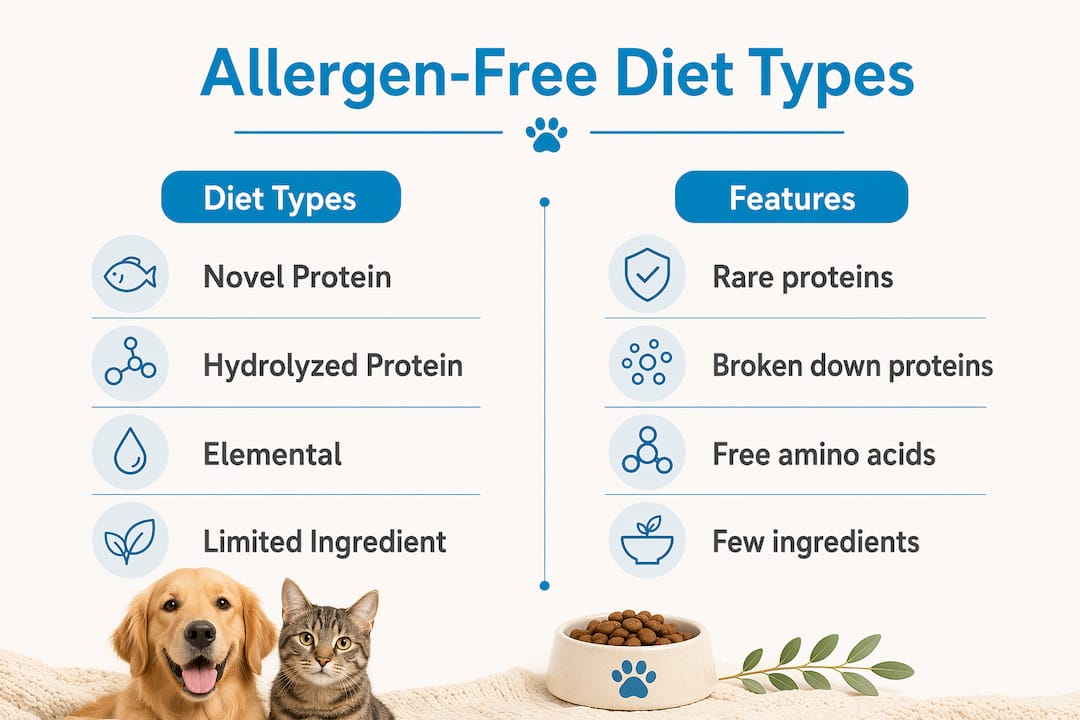
Novel protein diets use a protein source your pet has never eaten before. Common choices include venison, rabbit, duck, kangaroo, and bison. The logic is straightforward: no prior exposure means no existing immune response. Cross-reactivity complicates this approach. Cross-reactivity between common proteins like beef and lamb means a pet allergic to beef may also react to lamb, even without prior lamb exposure. A detailed dietary history from your vet is necessary before selecting a novel protein.
Hydrolyzed protein diets take a different approach. They use a familiar protein, like chicken or soy, but break it down enzymatically to a molecular weight below 5 kilodaltons. Proteins that small rarely trigger IgE cross-linking, which is the mechanism behind allergic reactions. These diets are prescription-only and manufactured under strict controls.
Elemental diets go one step further. They replace intact proteins entirely with free amino acids. These are the most hypoallergenic option available but also the least palatable and most expensive.
Limited ingredient diets (LID) sold over the counter are not the same as prescription diets. OTC limited ingredient diets risk cross-contact contamination during manufacturing and are not suitable for diagnostic elimination trials. They can work for long-term maintenance once a diagnosis is confirmed, but they should not replace prescription options during the trial phase.
| Diet Type | Protein Source | Palatability | Availability | Vet Recommendation |
|---|---|---|---|---|
| Novel Protein | Venison, rabbit, duck | High | Wide | Diagnosis and maintenance |
| Hydrolyzed Protein | Enzymatically treated chicken/soy | Moderate | Prescription only | Diagnosis preferred |
| Elemental (Amino Acid) | Free amino acids | Low | Prescription only | Severe cases |
| OTC Limited Ingredient | Single protein (varies) | High | Wide | Maintenance only |
Pro Tip: Grain-free diets are frequently misunderstood as allergy solutions. Protein sources drive most food allergies, not grains. Grain-free products also carry a potential link to dilated cardiomyopathy in dogs. Do not default to grain-free without a specific grain allergy diagnosis.
How to transition your pet to an allergen-free diet
A gradual diet transition over 7–10 days prevents the digestive upset that derails many owners in the first week. Rapid food changes cause loose stools and vomiting more often than the new ingredients themselves do.
Follow these steps for a safe transition:
- Days 1–2: Feed 75% current food and 25% new diet.
- Days 3–4: Move to a 50/50 split.
- Days 5–6: Feed 25% current food and 75% new diet.
- Days 7–10: Transition fully to the new diet.
- Week 2 onward: Maintain the new diet strictly for the full 8–12 week trial period.
Keep a daily food log throughout the transition. Record what your pet ate, portion size, and any symptoms. This log becomes your most useful tool at follow-up vet appointments.
Managing treats and medications during this period requires the same discipline as the main diet. Approved options during a trial include:
- A small piece of the trial diet food used as a reward
- Single-ingredient treats made from the same novel protein as the trial diet
- Unflavored medications only, confirmed with your vet
Cross-contamination is a real risk in multi-pet households. Feed allergic pets separately and wash bowls with hot water between meals. Even licking another pet’s bowl can introduce enough allergen to disrupt a trial.
What are the biggest challenges with allergen-free feeding?
Supply chain limitations are the most underestimated obstacle in allergen-free pet nutrition. Hydrolyzed diet manufacturing is complex, and prescription hypoallergenic diets are sometimes backordered for weeks. Owners who rely on a single product without a backup plan face a difficult choice: interrupt the trial or feed something unvetted.
Common challenges and their solutions:
- Hidden allergens in medications: Request unflavored or compounded versions from your vet or a veterinary compounding pharmacy.
- Picky eating: Warm the food slightly to increase aroma. Mix a small amount of low-sodium broth made from the trial protein to improve acceptance.
- Supply shortages: Ask your vet to pre-approve one or two alternative prescription diets before a shortage occurs.
- Multi-pet households: Feed separately and store trial diet food in a sealed container away from other pet foods.
“The most common reason elimination trials fail is not the diet itself. It is owner compliance. One flavored treat or chewable tablet can reset weeks of progress.”
Patience is the most underrated part of this process. Skin symptoms in particular take longer to resolve than gastrointestinal symptoms. Some dogs show no visible improvement until week 6 or 7 of a strict trial. Stopping early is the single biggest mistake owners make.
Pro Tip: Build a written backup feeding plan with your vet before you start the trial. Include at least one alternative prescription diet and one approved treat option. Having this plan ready removes the temptation to improvise when supplies run low.
Safe homemade allergen-free meals for sensitive pets
Home-cooked allergen-free meals are a viable option when managed correctly, but they require veterinary nutritionist oversight to stay nutritionally complete. A home-cooked diet that lacks calcium, phosphorus, or specific vitamins causes long-term harm even if it resolves allergy symptoms.
Recommended carbohydrate sources for elimination diets include white rice, potato, quinoa, and sweet potato. White rice is the safest starting point because it is the best tolerated and least likely to cause digestive issues. Quinoa and sweet potato add variety once the initial trial confirms no reaction.
Safe ingredients for a basic home-cooked allergen-free meal include:
- A single novel protein (rabbit, venison, or duck) cooked plain without seasoning
- White rice or boiled potato as the carbohydrate base
- A small amount of cooked zucchini or green beans for fiber
- A veterinarian-approved supplement to cover micronutrient gaps
Sensitive stomach diets benefit from fat content between 12–16% to avoid gastrointestinal irritation. Home-cooked meals often run too lean, which causes loose stools and poor coat condition over time. Weigh ingredients and track macros if you cook at home regularly.
Single-ingredient treats are the safest reward option during a trial. Freeze-dried rabbit, venison jerky, or plain cooked duck breast all work well. You can explore what single-ingredient treats offer in terms of allergy safety and ingredient transparency. Avoid any treat with multiple ingredients, natural flavors listed on the label, or shared manufacturing facilities with common allergens.
Key takeaways
Managing pet food allergies requires a structured, veterinary-guided approach that combines the right diet type, strict compliance, and consistent monitoring over a full 8–12 week trial period.
| Point | Details |
|---|---|
| Veterinary diagnosis first | Never change your pet’s diet for allergies without ruling out environmental and flea causes. |
| Trial duration matters | An elimination diet must run 8–12 weeks to produce a reliable result. |
| Prescription beats OTC | Only prescription hydrolyzed or novel protein diets guarantee the manufacturing controls needed for a valid trial. |
| Hidden allergens derail trials | Flavored medications, treats, and toothpaste must be eliminated for the trial to work. |
| Home cooking needs oversight | A veterinary nutritionist must review any home-cooked allergen-free diet to prevent nutritional deficiencies. |
Why most owners get this wrong before they get it right
I have seen the same pattern repeat itself more times than I can count. A pet owner notices their dog scratching constantly, switches to a grain-free food from the pet store, sees no improvement after three weeks, and concludes that food allergies are not the problem. The real issue is that the process was never set up correctly from the start.
Grain-free is not a diagnostic tool. Neither is switching brands. The only way to know if food is driving your pet’s symptoms is a properly executed elimination trial with a protein your pet has genuinely never eaten before. That means knowing your pet’s full dietary history, including every treat, topper, and flavored supplement it has ever received.
The second mistake I see constantly is stopping too soon. Skin symptoms in dogs can take six to eight weeks to visibly improve even on a perfect diet. Owners interpret that delay as failure and abandon the trial. They never get the answer they needed.
My honest recommendation: treat the elimination trial like a medical procedure, not a diet experiment. Work with your vet from day one, document everything, and commit to the full timeline. The allergy-friendly pet food options available today are genuinely good. The science works. The limiting factor is almost always execution, not the diet itself.
— Blayne
Find allergen-friendly products at Wildrootspet
Managing your pet’s allergies gets easier when you have the right products on hand from the start.

Wildrootspet carries a curated range of products built for sensitive pets. The fish-based meal topper is a low-fat option that works well as a novel protein addition for dogs currently eating chicken or beef-based diets. For pets with confirmed pork or beef allergies, the daily wellness formula is formulated specifically around those sensitivities. Every product in the Wildrootspet lineup prioritizes single or limited protein sources, transparent ingredient lists, and natural processing. Browse the full allergy-friendly range at wildrootspet.com and find options your vet can work with.
FAQ
What is the best diet for a dog with food allergies?
The best diet for a dog with confirmed food allergies is a prescription novel protein or hydrolyzed protein diet selected with veterinary guidance. Over-the-counter limited ingredient diets work for long-term maintenance but are not reliable for diagnostic trials.
How long does a pet food allergy elimination trial take?
An elimination diet trial takes 8–12 weeks to produce a valid result. Stopping early is the most common reason owners fail to get a clear diagnosis.
Can i use grain-free food to manage my pet’s allergies?
Grain-free food is not a reliable allergy solution because most pet food allergies are caused by animal proteins, not grains. Grain-free diets also carry a potential link to heart disease in dogs and should only be used if a grain allergy is specifically diagnosed.
Are homemade allergen-free meals safe for pets?
Home-cooked allergen-free meals are safe when reviewed by a veterinary nutritionist. Without professional oversight, home-cooked diets frequently lack essential nutrients like calcium and phosphorus, which causes long-term health problems.
What hidden sources of allergens should i watch for during a trial?
Flavored medications, chewable parasite preventatives, flavored toothpaste, and multi-ingredient treats are the most common hidden allergen sources. All must be eliminated or replaced with unflavored alternatives for the trial to be valid.