

Every pet aisle and online store is flooded with products screaming “natural,” “holistic,” and “organic.” But those words mean very different things depending on who’s printing them on the label. For North American pet owners who genuinely want to reduce their dogs’ and cats’ exposure to pesticides, synthetic additives, and questionable fillers, sorting marketing language from meaningful certification is the real challenge. This article walks you through exactly how to verify organic status, which brands consistently meet the standard, and how to build a truly holistic product routine for your pet.
Table of Contents
- How to verify organic pet products
- Best organic pet foods: top brands and features
- Holistic treats, grooming, and wellness: choosing safe options
- Comparison table: organic pet products at a glance
- Situational picks: organic choices for specific pet needs
- What most lists miss: blending organic and holistic principles
- Find top organic and holistic pet products for your pets
- Frequently asked questions
Key Takeaways
| Point | Details |
|---|---|
| Check for USDA Organic seal | Genuine organic pet products must carry the USDA Organic seal—always verify on the label. |
| Balance organic and holistic | Consider pet needs, sustainability, and ingredient transparency alongside organic certification for best results. |
| Consult your vet for grooming | Even organic products should be pH-balanced and species-suitable; consult your veterinarian if unsure. |
| Match products to pet needs | Select specific organic food, treats, and wellness items based on your pet’s allergy, age, and lifestyle requirements. |
| Use trusted directories with caution | Curated directories help, but official certification or product seal verification ensures authenticity. |
How to verify organic pet products
Before you spend money on any product claiming to be organic, you need to know what that word actually means in a regulated sense. In the United States, the USDA National Organic Program (NOP) governs what can legally carry the “USDA Organic” seal, including pet food ingredients and their handling. The NOP maintains a National List of Allowed and Prohibited Substances, updated regularly through recommendations from the National Organic Standards Board (NOSB). That list determines exactly which substances can and cannot appear in certified organic products.
Here’s what real USDA Organic certification means for pet food:
- At least 95% of the ingredients must be certified organic
- The remaining 5% must come from an approved list of non-organic substances
- Synthetic pesticides, artificial preservatives, and most synthetic additives are prohibited
- The processing facility itself must meet organic handling standards
- A third-party certifying agent must inspect and approve the operation
The seal on the package is the starting point, not the finish line. Plenty of brands use the word “organic” in their marketing or product names without displaying the USDA seal anywhere on the packaging. That’s legal, as long as the claim is qualified, but it’s misleading to consumers who assume a brand with “organic” in its name is certified.
“A ‘clean directory’ approach can help owners find brands marketing themselves as organic or toxin-free, but such directories are not the same as certification databases; users should still verify the USDA Organic seal on specific products.” This distinction matters enormously. A curated directory listing is based on self-reported brand criteria, not third-party inspection.
Ingredient transparency goes hand in hand with certification. Brands that are genuinely committed to clean formulations list every ingredient plainly, not buried in proprietary blends. Understanding why organic pet food differs from conventional options gives you a sharper eye for spotting those differences at the shelf or on a product page.
Having outlined the importance of true organic verification, let’s look at specific foods that actually meet these standards.
Best organic pet foods: top brands and features
The landscape of certified organic pet food is smaller than the marketing noise suggests. Most brands that advertise “natural” or “holistic” food have not gone through the expense and rigor of USDA certification. A handful of brands stand out for consistently doing so.
Castor & Pollux Organix is the most consistently cited line for USDA-certified organic pet food. For cats specifically, Organix is highlighted as one of the only brands offering full USDA-certified organic coverage across multiple product lines, rather than just one or two SKUs. Their formulas use organic chicken as the primary protein and exclude corn, wheat, and soy, which are common allergen triggers and filler ingredients in conventional pet food.
When evaluating any organic pet food brand, look for these features:
- USDA Organic seal displayed prominently on the label, not just in the brand name
- AAFCO statement of nutritional adequacy, confirming the food meets minimum nutritional standards for your pet’s life stage
- Named protein sources listed first (organic chicken, organic turkey) rather than meat by-products
- No artificial colors, flavors, or preservatives anywhere in the ingredient list
- Short ingredient lists with recognizable whole food components
It’s worth noting that review platforms evaluating organic pet food often use a broader “natural and organic” framework rather than producing an authoritative list of every certified SKU. They assess ingredient exclusions, affordability, and subscription options. That’s useful consumer research, but it doesn’t replace checking for the actual certification seal on individual products.
Pro Tip: Look for both the USDA Organic seal AND an AAFCO nutritional adequacy statement on any pet food you consider. The first tells you what’s in the food. The second tells you the food is actually complete and balanced for your pet.
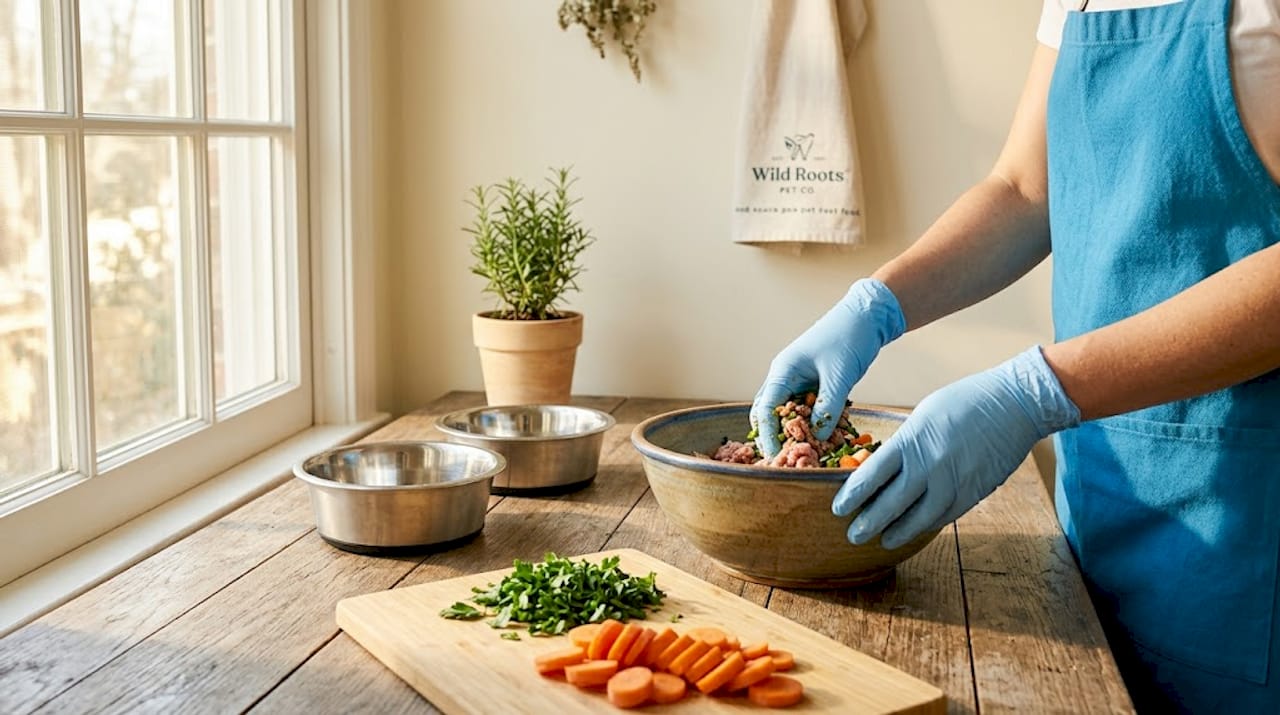
Raw and minimally processed foods are gaining traction among health-conscious owners. A raw turkey meal blend designed for prey model raw feeding offers a protein-forward, minimally processed alternative that aligns with holistic nutrition principles, even when full USDA certification may not apply to every raw product format. For ideas on what makes treats genuinely nutritious, healthy pet treats is worth reading before your next purchase.
Holistic treats, grooming, and wellness: choosing safe options
Organic food is only one piece of the puzzle. What goes on your pet’s skin and coat, the treats they get daily, and the wellness products in your home all contribute to their overall toxic load. Getting those right matters just as much as their main diet.
Here’s a practical framework for evaluating holistic treats, grooming, and wellness products:
-
Treats: Look for single-ingredient or short-ingredient options with named protein sources. Ingredient sourcing transparency, such as country of origin and farming practices, signals a brand that takes natural ingredients for pets seriously. Several pet brands with sustainability positioning highlight circular economy sourcing and ingredient transparency, though that doesn’t automatically equal USDA Organic certification.
-
Shampoos and grooming products: Dog skin has a different pH than human skin, sitting around 6.2 to 7.4. Using a product not formulated for pets can disrupt their skin barrier and cause dryness or irritation. Vet-reviewed guidance for shampoos consistently emphasizes selecting products with safe, simple, pH-balanced ingredients appropriate for your pet’s species, and recommends consulting a veterinarian when uncertain about a specific formulation.
-
Wellness products: Organic cotton pet beds and toxin-free chews reduce the background chemical exposure your pet encounters daily. Check manufacturing standards for country of origin and whether the producer tests for heavy metals or chemical residues.
-
Meal blends: A pork meal blend using whole, named cuts offers a high-protein, minimally processed option that fits neatly into a holistic feeding approach. For pet owners curious about whether grain belongs in the mix, grain-inclusive pet food information provides solid context.
The goal is reducing your pet’s total chemical load across food, treats, grooming, and bedding. No single product change is transformative, but collectively, these choices add up to a meaningfully cleaner environment for your animal.
Pro Tip: If you’re evaluating a grooming product and can’t identify all the ingredients or their purpose, treat that as a red flag. Simple formulations with recognizable botanical or food-grade ingredients are almost always safer choices.
Comparison table: organic pet products at a glance
Use this table as a quick decision-making reference. Not every product type will be USDA certified; knowing that upfront helps you set realistic expectations.
| Product Type | Example Brand/Option | USDA Organic Certified | Key Features | Sustainability Focus |
|---|---|---|---|---|
| Cat food | Castor & Pollux Organix | Yes (full line) | Organic chicken, no corn/soy/wheat | Moderate |
| Dog food | Select organic lines | Yes (specific SKUs) | Named proteins, AAFCO compliant | Varies by brand |
| Raw meal blend | Turkey or pork PMR blend | No (raw format) | Whole prey ingredients, minimal processing | High |
| Dog treats | Single-ingredient chews | Varies | Short ingredient lists, named proteins | Varies |
| Cat treats | Organic chicken cat treats | Varies | Real poultry, no fillers | Moderate |
| Dog shampoo | Vet-reviewed natural options | Rarely | pH-balanced, no synthetic fragrance | Moderate |
| Pet bedding | Organic cotton options | Sometimes | GOTS certification, toxin-free | High |
As review platforms note, “natural and organic” criteria in shopping guides often center on ingredient quality and exclusions rather than confirmed certification for every item. That’s why individual organic pet food facts verification still matters even after consulting a comparison list.
Key takeaways from the table:
- USDA certification is most reliably found in cat and dog food, not treats or grooming
- Raw formats rarely carry the certification but can still meet high-quality, holistic standards
- Sustainability positioning and organic certification are different credentials; check for both independently
Situational picks: organic choices for specific pet needs
Different pets need different approaches. A one-size-fits-all organic strategy won’t serve a senior dog with joint issues the same way it serves an active puppy.
Pets with food allergies or sensitivities: Choose limited-ingredient, certified organic foods where the protein and carbohydrate sources are clearly named. Common allergens in conventional food include corn, wheat, soy, and artificial additives. Eliminating those through an organic, limited-ingredient diet often reduces itching, digestive upset, and chronic ear issues. Check natural treat options for snacks that won’t reintroduce allergens through the back door.
Senior pets: Older dogs and cats benefit from joint-supportive ingredients like fish oil (from sustainably sourced fish) and antioxidant-rich whole foods. Toxin-free bedding matters more for seniors because they spend more time resting and absorb more from prolonged contact with synthetic materials. Look for GOTS-certified organic cotton beds.
Puppies and kittens: Life stage nutrition is critical here. An organic food must still carry an AAFCO “growth” or “all life stages” statement to be appropriate for young animals. Don’t let the organic label overshadow the nutritional adequacy question during those critical developmental months.
Eco-conscious owners: Focus on brands with transparent supply chains, recyclable packaging, and circular economy ingredient sourcing. Organic cotton toys, sustainably sourced protein treats, and brands that publish their sourcing practices are all good markers. The pet wellness toolkit offers resources to help you build a complete, holistic approach for your specific pet.
Pro Tip: Even with the cleanest organic food and treats, veterinary nutrition guidance still matters for skin or GI issues. Organic doesn’t automatically mean appropriate for every individual pet’s medical needs.
What most lists miss: blending organic and holistic principles
Here’s the uncomfortable truth most organic pet product articles skip over: chasing the USDA seal alone is not enough.
We’ve seen brands with full organic certification produce foods that are technically compliant but nutritionally unremarkable. A bag of certified organic kibble made from organic corn and organic rice with a modest protein level is technically “organic,” but it’s not what a biologically appropriate diet for a dog or cat looks like. Certification confirms what was excluded. It doesn’t guarantee the food is optimally formulated for your carnivore.
At the same time, relying purely on sustainability or holistic messaging is its own trap. Sustainability-focused pet brands can carry meaningful credentials around sourcing and environmental impact without ever meeting USDA Organic standards. That’s not dishonest; it’s just a different set of values. Treating those two things as interchangeable is where many pet owners go wrong.
The real goal is to pursue both verification tracks simultaneously. Check for the USDA seal where certification is possible. Evaluate ingredient transparency and sourcing ethics where it’s not. Read natural pet diet insights to develop a sharper understanding of what biologically appropriate ingredients actually look like, then use organic certification as a quality filter on top of that foundation.
Experienced pet owners who’ve navigated this space know that the most trustworthy brands are the ones that are transparent about what they can and cannot claim. A brand that clearly states “this product is not USDA certified but uses single-sourced, traceable ingredients” is far more credible than one plastering “natural and holistic” across packaging without any specifics. Specificity is the mark of confidence. Vague claims are the mark of marketing.
Find top organic and holistic pet products for your pets
If this article has done its job, you’re now better equipped to cut through label noise and make genuinely informed choices for your dog or cat. The next step is putting that knowledge into action with products you can actually trust.

At Wild Roots Pet, we’ve curated options built around these exact principles: real ingredients, clean formulations, and honest sourcing. The pet wellness academy gives you a structured, expert-guided framework for building a holistic health routine from the ground up. If you’re ready to upgrade your pet’s protein intake, the raw PMR pork meal blend is a whole-prey, minimally processed option your dog or cat will love. And for a simple, clean treat upgrade, our organic chicken cat treats use real poultry with no fillers. Every product we carry is chosen because it meets the standards this article describes.
Frequently asked questions
How can I tell if a pet product is truly USDA Organic?
Look for the USDA Organic seal directly on the product packaging and verify the claim in the product description; USDA NOP regulations govern which ingredients and handling methods qualify, so the seal is your most reliable indicator.
Are all holistic or sustainable pet products considered organic?
No. Sustainability messaging alone does not guarantee USDA Organic certification; always cross-check by looking for the actual seal and reviewing the ingredient list independently.
Are organic grooming products safer for pets with sensitive skin?
Organic grooming products often use simpler, cleaner ingredients, but vet-reviewed shampoo guidance stresses that pH balance for your pet’s species is equally critical, so consult your vet if your pet has known skin sensitivities.
Is Castor & Pollux Organix the only USDA certified organic cat food brand?
Castor & Pollux Organix is frequently cited as the most complete USDA-certified organic cat food line available, while other brands may offer certified options only within select product lines rather than across their full range.
Recommended
- Why Organic Pet Food? Health, Facts, and What Matters Most – Wild Roots Pet Co.
- Natural ingredients for pet diets: healthier choices – Wild Roots Pet Co.
- Healthy pet treats: natural options for dogs and cats – Wild Roots Pet Co.
- Why natural toys are healthier and greener for your pet – Wild Roots Pet Co.