

Most pet owners assume that sustainable pet treats means recyclable packaging. That single misconception drives a lot of well-intentioned choices that don’t move the needle much at all. The truth is that ingredient sourcing drives far more of a treat’s environmental footprint than the bag it comes in. When you understand why sustainable pet treats go deeper than the label, you start making choices that genuinely help your pet and the planet.
Table of Contents
- Key takeaways
- Why sustainable pet treats start with what’s inside
- Are sustainable treats actually good for your pet?
- The real environmental impact of your treat choices
- How to choose sustainable treats with confidence
- My take on the future of sustainable pet treats
- Explore Wildrootspet’s approach to pet wellness
- FAQ
Key takeaways
| Point | Details |
|---|---|
| Ingredients outweigh packaging | The sourcing of ingredients has the largest impact on a treat’s environmental footprint, not the wrapper. |
| Plant-forward treats are digestible | Studies confirm plant-based pet diets reach above 80% dry matter digestibility, comparable to meat-based options. |
| Environmental savings are measurable | Shifting to lower-impact ingredients reduces greenhouse gas emissions, water use, and land consumption significantly. |
| Certifications signal real transparency | Vague “eco-friendly” claims without certifications are a red flag. Look for measurable, verified sustainability proof. |
| Healthy and sustainable can coexist | The best eco-conscious treats balance nutritional completeness with responsible sourcing and clean formulation. |
Why sustainable pet treats start with what’s inside
The conversation around sustainable pet treats almost always starts with the bag. Recyclable pouches, minimal plastic, biodegradable seals. These details matter, but they’re the finishing touches on a much bigger picture. The real story is what goes into the treat before it’s ever packaged.
Ingredient sourcing is the largest contributor to a pet treat’s environmental footprint. That means the type of protein used, where it was raised or grown, how far it traveled, and what farming system produced it all carry more weight than the outer packaging. A treat wrapped in recycled film but made from intensively farmed beef is still a high-impact product.
So what actually makes a pet treat sustainable? Here’s the framework most thoughtful brands use:
- Ingredient origin: Proteins and carbohydrates sourced from farms using regenerative, low-input, or humane practices reduce both emissions and ecological damage.
- Protein type: Plant-forward ingredients like sweet potato, flaxseed, and legume-based proteins carry a smaller environmental footprint than conventional livestock-derived proteins. Ingredients like these also deliver functional health benefits for pets.
- Formulation efficiency: Fewer ingredients processed fewer times means less energy use across the supply chain.
- Packaging choices: Recyclable materials and reduced plastic still matter, but they work best when layered on top of responsible sourcing. Packaging recyclability is actually the most commonly cited green attribute that pet owners look for.
- End-of-life impact: Not all “biodegradable” packaging breaks down at home. Many biodegradable products require industrial composting conditions to decompose properly, which most households can’t provide.
Pro Tip: When reading a treat label, check the first three ingredients before you look at the packaging. If the top ingredients are responsibly sourced plant proteins or named single-source meats, you’re already ahead on the sustainability curve.
Understanding what is sustainable pet food means recognizing that the concept extends well beyond packaging claims into every stage of the supply chain.
Are sustainable treats actually good for your pet?
This is the hesitation most pet owners carry. You want to do right by the environment, but not at the expense of your dog or cat’s health. The good news is that the nutritional science here has caught up with the values.
A 2026 review analyzing 31 studies on plant-based pet diets found digestibility rates above 80% dry matter for both dogs and cats. That’s directly comparable to conventional meat-based diets. The concern that plant-forward treats leave pets nutritionally shortchanged simply doesn’t hold up under scrutiny.
| Nutrient concern | Conventional meat treats | Sustainable/plant-forward treats |
|---|---|---|
| Digestibility | High (meat protein) | High (above 80% DM in reviewed studies) |
| Protein completeness | Yes, naturally | Yes, when properly formulated with complementary sources |
| Processing impact | Moderate to high heat processing | Varies; minimal processing preserves bioavailability |
| Allergen risk | Common with beef, chicken | Lower risk with novel plant proteins |
| Environmental cost | High (land, water, emissions) | Significantly lower |
Formulation matters a great deal. A treat that replaces meat protein with a single poorly chosen plant source won’t deliver complete nutrition. But a treat built on complementary proteins, like legumes paired with seeds or grains, can meet or exceed the nutritional profile of conventional options. Brands that take this seriously invest in actual feeding trials or partner with veterinary nutritionists.
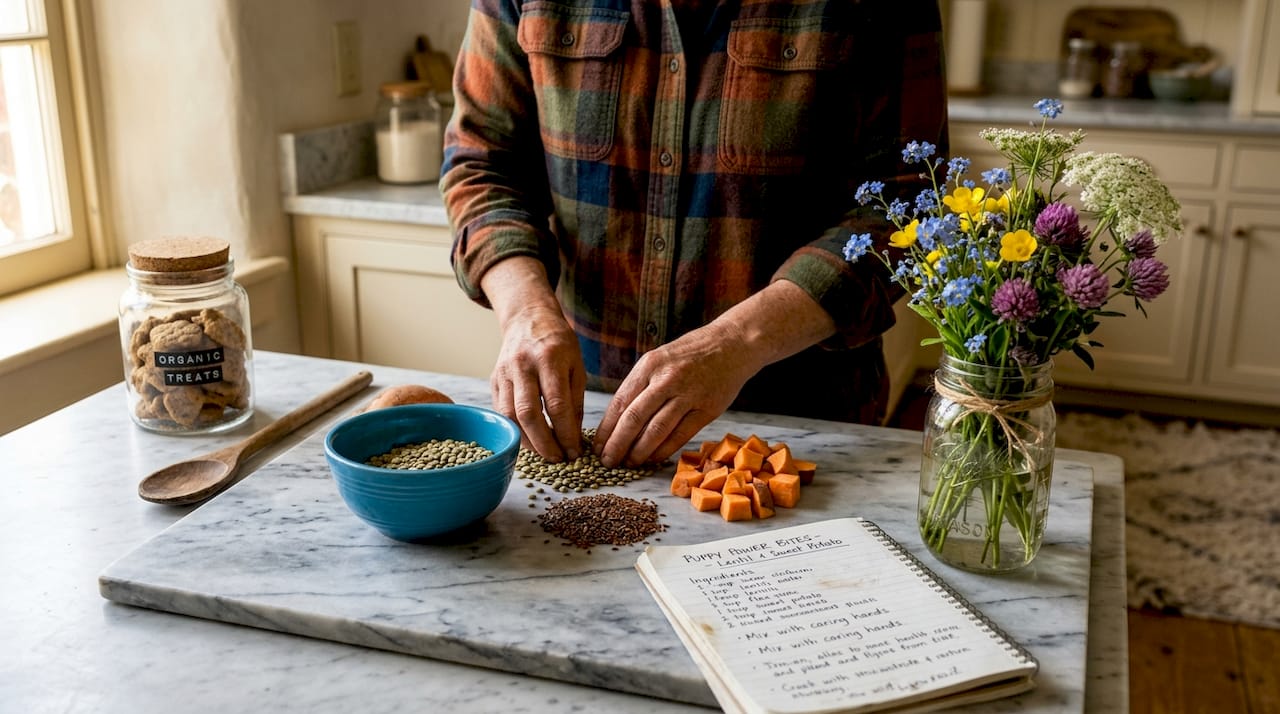
Pro Tip: Look for treats that list a specific protein source, such as “green lentil protein” or “pea protein,” rather than vague terms like “vegetable protein.” Specific naming usually signals a more thoughtful formulation.
If you want to dig into how specific natural treat ingredients affect your pet’s health, understanding the role of each component helps you evaluate labels with more confidence.
The real environmental impact of your treat choices
Numbers make this concrete. The livestock industry is one of the most resource-intensive systems on earth, and conventional pet treats sit squarely inside that system. When you shift even part of your pet’s treat intake toward lower-impact ingredients, the cumulative effect is real.
Research shows that replacing 50% of meat and milk products with plant-based alternatives by 2050 could reduce agriculture-related greenhouse gas emissions by 31%. That projection applies across human and animal food systems combined, and pet food is a meaningful slice of total meat demand.
“Sustainability is more effective when ingredient choices come first, then smarter packaging is applied to reduce impact.” — Pet Sustainability Coalition
Beyond emissions, water use and land requirements tell a similar story. Growing sweet potato or flaxseed for pet treats demands a fraction of the water and land that beef or lamb production requires. One case study on plant-forward pet treat formulations documented water savings and reduced CO2 emissions compared to conventional meat-based equivalents. Those savings compound treat by treat, bag by bag, and year by year.
There’s also the question of the circular economy. Upcycling by-products from other industries, like spent grain from brewing or vegetable pulp from juice production, creates pet treat ingredients with almost no additional environmental cost. Some of the most forward-thinking brands are already doing this.
Pet owners with multiple pets are up to 28% more likely to choose sustainable products, and that purchasing power genuinely shapes what manufacturers develop and scale. Every purchase you make sends a market signal.
How to choose sustainable treats with confidence
Knowing the theory is one thing. Standing in a pet store aisle or scrolling through product pages is another. Here’s a practical approach to evaluating treats without needing a degree in supply chain management.
-
Read the ingredient list first. The first three ingredients carry the most nutritional and environmental weight. Named plant proteins, whole vegetables, and responsibly sourced single-meat ingredients are strong starting points. Avoid treats with long lists of anonymous “by-products” or filler starches.
-
Look for verified certifications. Vague claims like “eco-friendly” or “natural” are not regulated and mean almost nothing on their own. Pet owners increasingly reject unverified sustainability claims without measurable proof. Certifications from recognized bodies, USDA Organic, Non-GMO Project, or third-party sustainability audits, carry real weight.
-
Evaluate the packaging honestly. Recyclable packaging is a plus, but confirm that your local recycling program actually accepts the material. Flexible plastic pouches labeled “recyclable” often require drop-off programs that most people never use.
-
Consider treat function within the whole diet. Treats should complement your pet’s overall nutrition, not crowd it out. The benefits of eco-friendly pet treats multiply when treats make up an appropriate share of daily calories, typically no more than 10%.
-
Choose brands that share data. The best sustainable pet brands publish sourcing details, carbon impact reports, or named farm partnerships. Transparency is not a marketing strategy for these brands. It’s a baseline operating standard.
Exploring healthy treat options with clear ingredient sourcing helps you build a shortlist of brands worth trusting over the long term.
My take on the future of sustainable pet treats
I’ve watched the sustainable pet food space evolve from a niche curiosity into something the mainstream industry is scrambling to catch up with. And what I’ve found is that the gap between good marketing and genuine impact is still enormous.
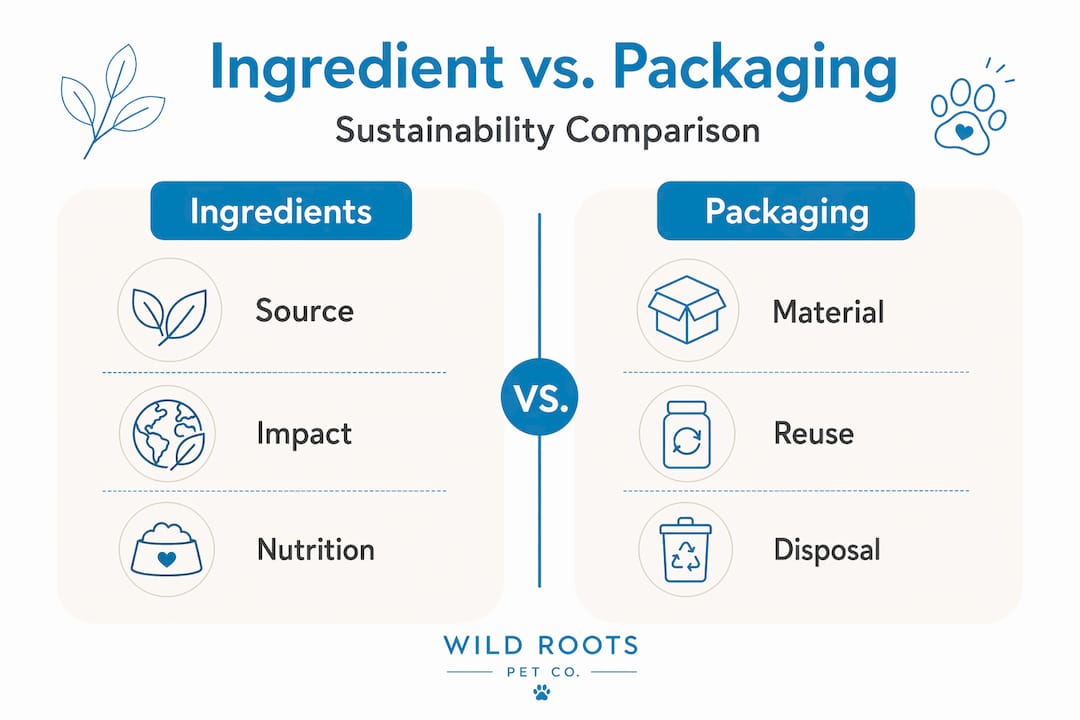
What frustrates me most is the focus on packaging. Brands spend real money on compostable bags and then fill them with ingredients sourced from the same industrial livestock supply chains that cause the bulk of the environmental damage. It looks responsible. It isn’t.
What actually moves the needle, in my experience, is ingredient transparency paired with supply chain accountability. When a brand can tell you which farm grew the sweet potato in their treat, what regenerative practices that farm uses, and how the formulation was tested for nutritional completeness, that’s real. Everything else is a design choice.
I’m genuinely optimistic about where this is heading. Circular economy approaches, including upcycled ingredients and low-waste processing, are scaling faster than most people realize. And as more pet owners demand verifiable proof instead of feel-good language, the brands doing the real work will rise to the top. You, as a pet owner, are the force that makes that happen. Treat choices are small, repeated decisions. That makes them powerful.
— Blayne
Explore Wildrootspet’s approach to pet wellness

At Wildrootspet, the philosophy behind every product starts with what’s in it, not just how it’s packaged. Their approach to pet wellness centers on clean, traceable ingredients that support your pet’s health without unnecessary environmental cost. If your dog or cat has sensitivities or you’re building a more holistic daily routine, the Daily Wellness Formula is formulated specifically for pets with common protein allergies. For deeper learning on sustainable and holistic pet care, the Pet Parent Wellness Toolkit gives you the frameworks to make confident, informed decisions every time you shop for your pet. Wildrootspet also provides grain-inclusive nutrition guidance for owners exploring plant-forward diet options.
FAQ
Why do sustainable pet treats cost more?
Sustainable treats typically use higher-quality, responsibly sourced ingredients and more transparent supply chains, both of which cost more to operate than conventional industrial sourcing. The price difference reflects genuine ingredient and production standards.
Are plant-based treats safe for cats and dogs?
Yes, when properly formulated. A 2026 review of 31 studies confirmed that plant-based diets for dogs and cats reach digestibility rates above 80% dry matter, which is comparable to conventional meat-based diets.
What does “eco-friendly” actually mean on a pet treat label?
Without a verified certification, “eco-friendly” is a marketing claim with no regulatory standard behind it. Look for third-party certifications or specific sourcing disclosures that confirm what the claim actually means.
Are sustainable pet treats worth the switch?
For most eco-conscious pet owners, yes. The benefits of eco-friendly pet treats extend from reduced greenhouse gas emissions and water use to cleaner ingredient profiles that support long-term pet health.
How much of the environmental impact comes from packaging versus ingredients?
Ingredients carry the larger share of a pet treat’s environmental footprint. Packaging decisions matter, but the type of protein and how it was produced has a greater cumulative impact on emissions, land use, and water consumption.
Recommended
- Healthy pet treats: natural options for dogs and cats – Wild Roots Pet Co.
- Functional pet treats explained: natural benefits for pets – Wild Roots Pet Co.
- Why Organic Pet Food? Health, Facts, and What Matters Most – Wild Roots Pet Co.
- Why natural toys are healthier and greener for your pet – Wild Roots Pet Co.